
Why Gravity Die Casting is Cost Effective
What is Gravity Die Casting?
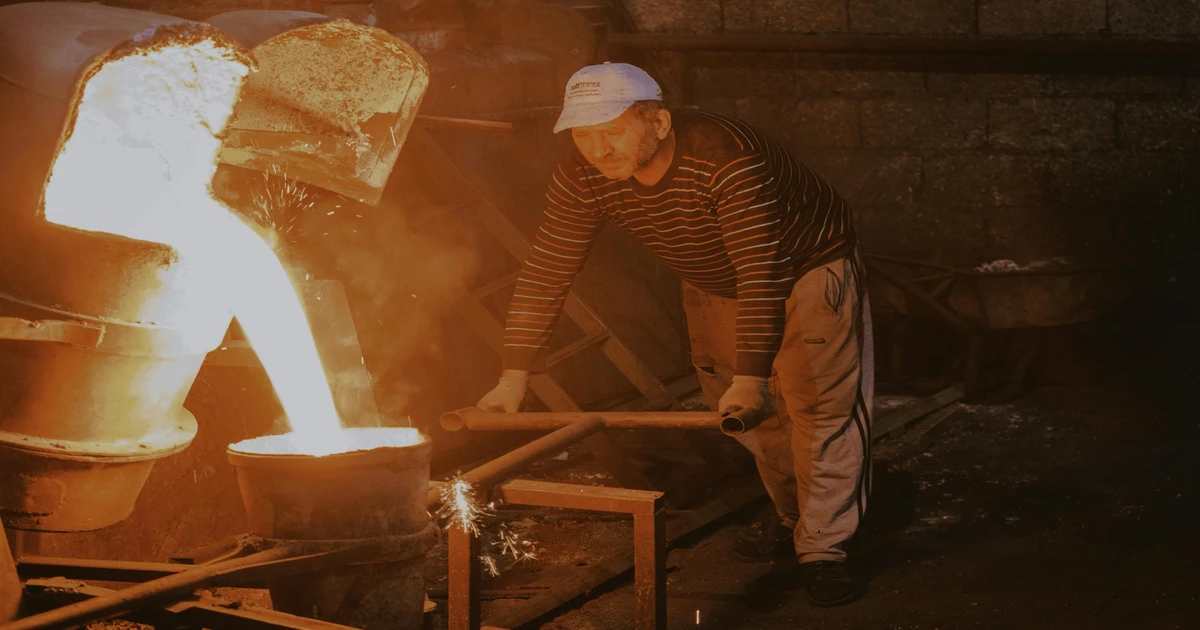
Gravity die casting is a metal casting process in which molten metal is poured into a reusable metal mold using gravitational force instead of external pressure. The molten metal naturally flows into the mold cavity and solidifies into the required component shape. This manufacturing process is widely used for producing strong, durable, and dimensionally accurate metal components with good surface finishes. Gravity die casting is commonly used with aluminum, copper, magnesium, and other non-ferrous alloys in industries such as automotive, aerospace, industrial machinery, and engineering manufacturing. Gravity die casting is especially suitable for medium and high-volume production where structural strength, durability, and reliable component quality are important requirements.
What Makes Gravity Die Casting Cost Effective?
Gravity die casting is considered a cost-effective manufacturing process because it supports efficient production, reusable tooling systems, reduced material wastage, and lower finishing requirements. The process allows manufacturers to produce high-quality components with consistent dimensional accuracy and strong mechanical properties while maintaining stable production costs. Unlike disposable mold systems, gravity die casting uses permanent metal molds that can be reused for repeated production cycles, helping reduce long-term tooling expenses. The process also improves operational efficiency by reducing machining requirements, minimizing defects, and supporting repeatable manufacturing quality.
Importance of Cost Efficiency in Manufacturing
Cost efficiency plays a major role in modern manufacturing because industries continuously focus on reducing production expenses while maintaining high product quality and operational reliability. Efficient manufacturing processes help companies improve profitability, increase production output, reduce material waste, and maintain competitive pricing in global markets. Industries such as automotive, aerospace, industrial machinery, transportation, and engineering manufacturing require manufacturing methods that balance performance, durability, and production cost management. Gravity die casting supports these goals by providing reliable and economical manufacturing solutions for industrial component production.
Why Gravity Die Casting is Cost Effective
Gravity die casting offers several advantages that help manufacturers reduce overall production costs while maintaining high-quality manufacturing standards. The process improves material efficiency, supports reusable tooling systems, reduces post-processing operations, and allows stable medium and high-volume production. Gravity die casting also helps reduce rejection rates and improve production consistency, further lowering operational expenses. These advantages make gravity die casting highly suitable for industries seeking durable and cost-efficient manufacturing solutions.
Industries That Benefit from Cost-Effective Gravity Die Casting
Automotive manufacturers use gravity die casting to produce durable vehicle components while maintaining efficient large-scale production costs. Industrial machinery manufacturers depend on gravity die casting for engineering systems, pump housings, valve bodies, and mechanical equipment requiring reliable and economical manufacturing. Aerospace industries use gravity die casting for lightweight and structurally strong components that support long-term operational performance. Transportation, marine engineering, construction, and heavy engineering industries also benefit from the cost efficiency and durability provided by gravity die casting. The process supports industries requiring high-quality industrial components with controlled manufacturing expenses.
1. Reusable Metal Molds
One of the biggest reasons gravity die casting is cost effective is the use of reusable metal molds. Unlike sand casting molds that are destroyed after each casting cycle, gravity die casting molds can be used repeatedly for large production runs. Reusable molds help manufacturers reduce long-term tooling expenses and maintain consistent production quality. Although the initial mold investment may be higher, the cost per component decreases significantly over medium and high-volume production operations.
2. Reduced Material Wastage
Gravity die casting helps manufacturers improve material efficiency and reduce production waste. The controlled mold filling process minimizes excess metal usage and improves casting consistency. Manufacturers can also recycle leftover metal and reuse it in future production cycles, helping reduce raw material costs. Reduced material wastage improves operational efficiency and supports sustainable manufacturing practices.
3. Lower Machining and Finishing Costs
Gravity die casting produces components with good dimensional accuracy and smooth surface finishes. Because components are produced closer to their final shape, manufacturers require less machining, grinding, and finishing after casting. Reduced post-processing operations help lower labor costs, reduce production time, and improve overall manufacturing efficiency. This advantage is especially valuable in medium and high-volume industrial production environments.
4. Long Mold Life and Production Stability
Gravity die casting molds are designed for repeated use and long operational life. Proper mold maintenance and controlled manufacturing conditions help improve tooling durability and reduce downtime caused by mold replacement. Long mold life supports stable production operations and helps manufacturers maintain consistent manufacturing costs over extended production periods. Reliable tooling systems also improve production planning and operational efficiency.
5. Improved Production Consistency
Gravity die casting supports repeatable and consistent manufacturing quality across production cycles. Consistent component quality helps reduce rejection rates, rework requirements, and manufacturing defects. Lower defect rates improve material efficiency and reduce additional production expenses associated with quality corrections. Stable production quality also improves customer satisfaction and operational reliability.
6. Suitable for Medium and High-Volume Production
Gravity die casting is highly suitable for medium and high-volume manufacturing operations. The reusable mold system allows manufacturers to produce large quantities of components efficiently and economically. As production volumes increase, the overall manufacturing cost per component decreases significantly. The process supports efficient production planning and helps industries meet large-scale manufacturing demands cost effectively.
7. Reduced Maintenance and Operational Costs
Gravity die cast components generally offer strong mechanical properties and long operational life. Durable components reduce maintenance requirements and improve product reliability in industrial applications. Reduced maintenance and replacement costs help industries improve long-term operational efficiency and cost management. The structural reliability of gravity die cast components also improves equipment performance and service life.
8. Future of Cost-Effective Gravity Die Casting
As industries continue adopting advanced manufacturing technologies, gravity die casting processes will continue improving in terms of production efficiency and cost management. Manufacturers are increasingly investing in automated casting systems, advanced mold technologies, energy-efficient equipment, and smart manufacturing solutions. The future of gravity die casting will focus on reducing operational costs, improving material efficiency, enhancing production speed, and supporting sustainable industrial manufacturing practices. Advanced automation and process optimization technologies will further improve the cost effectiveness of gravity die casting operations.
Final Conclusion
Gravity die casting is a highly cost-effective manufacturing process widely used for producing durable and dimensionally accurate industrial components. The process offers several economic advantages, including reusable metal molds, reduced material wastage, lower machining costs, improved production consistency, long mold life, and efficient medium and high-volume manufacturing capabilities. Industries such as automotive, aerospace, industrial machinery, transportation, marine engineering, and construction continue relying heavily on gravity die casting because of its ability to provide reliable and economical manufacturing solutions. With continuous advancements in automation, tooling systems, and manufacturing technologies, gravity die casting will continue supporting cost-efficient industrial production and precision engineering applications.