
CNC Machining vs Conventional Machining
What is CNC Machining?
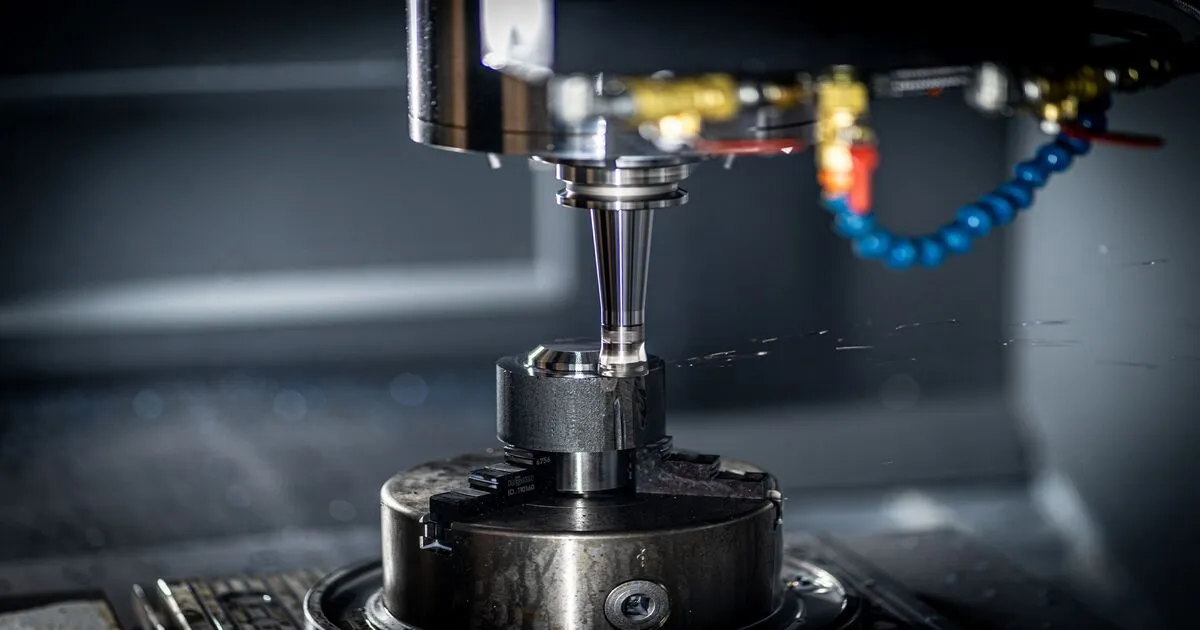
CNC machining is a manufacturing process in which computer-controlled machines are used to cut, shape, drill, and finish metal or plastic components with high precision. The term CNC stands for Computer Numerical Control. In this process, software programs and digital instructions control the movement of cutting tools and machinery during manufacturing operations. CNC machining is widely used in industries such as aerospace, automotive, electronics, medical equipment, and industrial machinery because it supports high precision, repeatable quality, and efficient production. The process is especially suitable for producing complex engineering components with tight tolerances and consistent dimensional accuracy.
What is Conventional Machining?
Conventional machining is a traditional manufacturing method in which machine tools are operated manually by skilled machinists. In this process, operations such as turning, milling, drilling, grinding, and cutting are controlled manually using mechanical systems and hand-operated machine controls. Conventional machining has been widely used for decades in workshops, repair operations, small-scale manufacturing, and custom engineering applications. Although conventional machining can produce quality components, it generally requires more manual effort, operator skill, and production time compared to CNC machining.
Importance of Choosing the Right Machining Process
Selecting the correct machining process is important because manufacturing requirements vary depending on component complexity, production volume, precision requirements, and operational efficiency. CNC machining is ideal for applications requiring high precision, repeatable quality, automation, and large-scale production efficiency. Conventional machining is often preferred for simple components, repair work, low-volume production, and operations requiring manual flexibility. Both machining methods continue playing important roles in industrial manufacturing and engineering operations.
Difference Between CNC Machining and Conventional Machining
One of the biggest differences between CNC machining and conventional machining is the method used to control the manufacturing process. CNC machining uses computer-controlled automation and digital programming to perform machining operations with high precision and repeatability. Conventional machining relies on manual machine operation, where machinists control tool movement and machining parameters directly. CNC machining focuses more on automation, precision, speed, and production consistency, while conventional machining focuses on manual control, operator flexibility, and simpler machining tasks.
Industries Using CNC and Conventional Machining
CNC machining is widely used in aerospace, automotive, medical equipment, electronics, industrial machinery, and precision engineering industries. Manufacturers use CNC machining for producing engine components, aircraft parts, medical devices, molds, industrial systems, and precision engineering assemblies. Conventional machining is commonly used in repair workshops, tool rooms, maintenance operations, small-scale manufacturing, and custom engineering applications. Both machining methods support different industrial requirements depending on production scale, complexity, and manufacturing goals.
1. Automation and Machine Control
CNC machining operates through computer-controlled automation systems. Machine movements, cutting speeds, tool paths, and machining operations are programmed digitally using software instructions. This automation allows CNC machines to operate with high accuracy and minimal manual intervention. Conventional machining relies heavily on manual operation, where machinists directly control machine movements and cutting operations using hand-operated controls. The level of automation in CNC machining significantly improves production efficiency and manufacturing consistency.
2. Precision and Dimensional Accuracy
CNC machining is known for its extremely high precision and dimensional accuracy. Computer-controlled systems allow machining operations to maintain tight tolerances and consistent measurements across repeated production cycles. This makes CNC machining highly suitable for aerospace, medical, automotive, and advanced engineering applications. Conventional machining can also achieve good accuracy, but the final quality often depends heavily on operator skill and manual control. CNC machining generally provides better repeatability and precision for complex engineering components.
3. Production Speed and Efficiency
CNC machining supports faster production cycles and higher manufacturing efficiency. Automated operations allow machines to run continuously with minimal downtime and reduced manual supervision. The process is highly suitable for medium and high-volume manufacturing operations requiring consistent production output. Conventional machining is generally slower because operators manually perform machining adjustments and tool movements during production. Manual operations may increase production time, especially for complex or repetitive machining tasks.
4. Capability to Produce Complex Components
CNC machining is highly suitable for producing complex component geometries and detailed engineering designs. Multi-axis CNC systems can create intricate shapes, curved surfaces, internal features, and precision cuts with excellent consistency. The process supports advanced engineering applications requiring high design complexity and precision manufacturing. Conventional machining is more suitable for simpler component designs and basic machining operations. Producing highly complex components manually can be time-consuming and difficult using conventional methods.
5. Labor Requirements and Operator Skill
CNC machining reduces direct manual labor because operations are controlled through computer programming and automated systems. Operators mainly focus on machine setup, programming, monitoring, and quality inspection. Conventional machining requires highly skilled machinists to manually control machining operations and maintain dimensional accuracy. The quality and efficiency of conventional machining often depend heavily on operator experience and technical skill. Automation in CNC machining helps improve consistency while reducing manual workload.
6. Consistency and Repeatability
CNC machining provides highly consistent and repeatable manufacturing quality. Once a CNC program is created, the same component can be reproduced repeatedly with identical dimensions and specifications. This is extremely important in industries requiring stable production quality and interchangeable engineering components. Conventional machining may involve slight dimensional variations because operations are manually controlled. Repeatability is generally more reliable in CNC machining compared to conventional machining systems.
7. Production Cost and Investment
CNC machining generally requires higher initial investment because of advanced machinery, software systems, automation technologies, and programming requirements. However, CNC machining often reduces long-term production costs through improved efficiency, faster production, reduced labor, and lower rejection rates. Conventional machining requires lower initial equipment investment and is often suitable for smaller workshops and low-volume operations. The choice between the two methods depends on production requirements, manufacturing scale, and operational goals.
8. Future of Machining Technologies
As manufacturing technologies continue evolving, CNC machining systems are becoming more advanced through automation, artificial intelligence, smart manufacturing, and digital engineering integration. Manufacturers are increasingly investing in robotic automation, multi-axis machining systems, real-time monitoring technologies, and intelligent production systems. Conventional machining will continue supporting repair work, maintenance operations, and specialized manual engineering applications. The future of machining will focus on combining precision, automation, efficiency, and smart manufacturing capabilities to support modern industrial production.
Final Conclusion
CNC machining and conventional machining are both important manufacturing methods used in modern engineering and industrial production. CNC machining focuses on automation, precision, repeatability, and efficient large-scale production, making it highly suitable for aerospace, automotive, medical, and advanced engineering applications. Conventional machining relies on manual control and operator skill, making it more suitable for repair operations, simple machining tasks, and low-volume production. Both manufacturing methods continue supporting industrial manufacturing requirements based on component complexity, production scale, and operational needs. With continuous advancements in automation, smart manufacturing, and digital engineering technologies, CNC machining will continue leading the future of precision industrial manufacturing and engineering production.