
Designing Durable Industrial Molds
What are Industrial Molds?
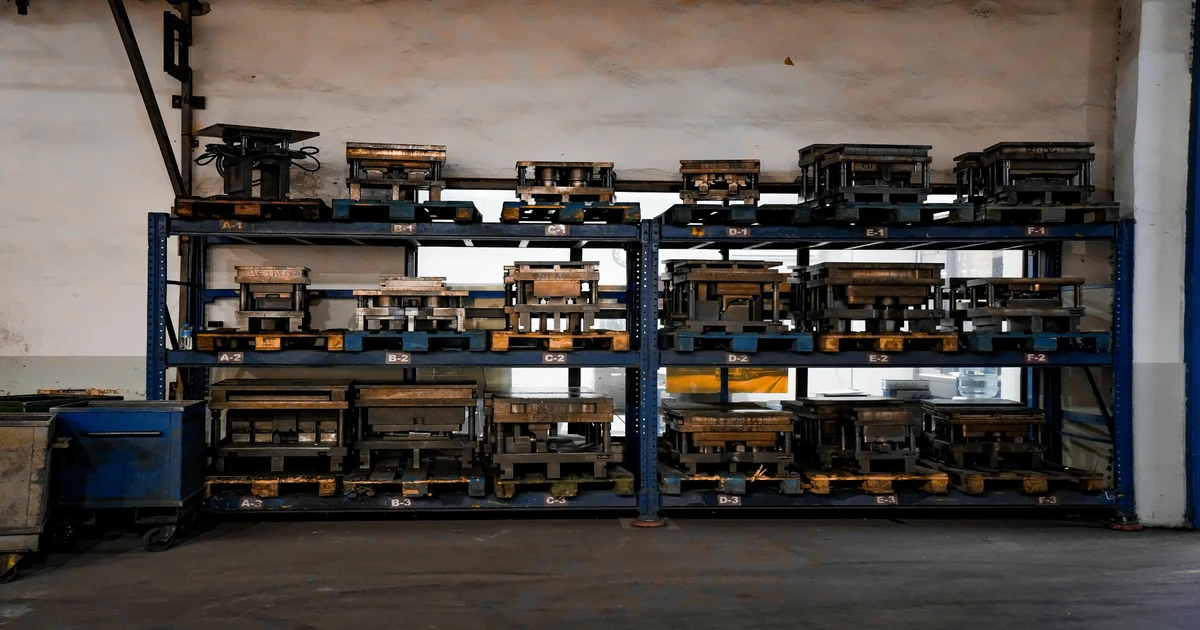
Industrial molds are precision-engineered tooling systems used to shape and manufacture components during production processes such as injection molding, die casting, blow molding, compression molding, and metal forming operations. These molds are designed to produce components with accurate dimensions, consistent quality, and repeatable production performance. Industrial molds are widely used in automotive, aerospace, electronics, medical equipment, consumer goods, industrial machinery, and engineering manufacturing industries. Durable molds are essential for maintaining efficient production operations and achieving long-term manufacturing reliability.
What Makes an Industrial Mold Durable?
A durable industrial mold is designed to withstand repeated production cycles, high temperatures, mechanical pressure, material wear, and demanding manufacturing conditions without losing accuracy or structural integrity. Durability depends on factors such as mold material selection, tooling design, cooling systems, surface treatment, machining precision, and maintenance practices. A well-designed durable mold improves mold life, reduces production downtime, and supports consistent manufacturing quality. Industries requiring high-volume manufacturing operations depend heavily on durable mold systems for operational efficiency and cost management.
Importance of Designing Durable Industrial Molds
Designing durable industrial molds is extremely important because molds directly affect production quality, manufacturing speed, dimensional accuracy, and operational reliability. Poorly designed molds may lead to cracking, wear, thermal fatigue, dimensional variation, and frequent production interruptions. Durable molds help manufacturers reduce maintenance costs, improve production efficiency, minimize defects, and support stable long-term manufacturing operations. Industries such as automotive, aerospace, electronics, medical equipment, and industrial engineering require high-performance mold systems capable of handling demanding production environments.
Factors Involved in Designing Durable Industrial Molds
Designing durable molds involves careful engineering planning, material selection, precision machining, thermal management, and structural analysis. Manufacturers use advanced CAD/CAM software, CNC machining technologies, simulation systems, and quality control methods during mold development. Proper mold design helps ensure balanced material flow, controlled cooling, reduced stress concentration, and stable production performance. Every design element contributes to improving mold life and maintaining reliable manufacturing operations.
Industries That Use Durable Industrial Molds
Automotive industries use durable molds for engine systems, interior components, lighting systems, structural assemblies, and plastic parts manufacturing. Aerospace manufacturers require high-strength molds for lightweight engineering components and aerospace assemblies. Medical industries use precision molds for surgical devices, medical housings, and healthcare equipment production. Electronics manufacturers depend on durable molds for connectors, enclosures, switches, and miniature engineering assemblies. Consumer goods, packaging, industrial machinery, and appliance manufacturing industries also rely heavily on durable mold systems. The process supports industries requiring repeatable quality and efficient large-scale production capabilities.
1. Proper Mold Material Selection
One of the most important factors in designing durable industrial molds is selecting the correct mold material. Mold materials must withstand heat, pressure, wear, corrosion, and repeated manufacturing cycles without deformation or cracking. Tool steels, hardened alloys, and high-performance mold materials are commonly used for industrial mold manufacturing. Proper material selection improves mold strength, thermal resistance, durability, and long-term production reliability. The correct material also helps reduce maintenance requirements and improve mold life.
2. Precision Mold Design
Precision mold design is essential for achieving durable and efficient manufacturing performance. Well-designed molds support balanced material flow, proper venting, accurate component dimensions, and reduced internal stress during production operations. Poor mold design can lead to uneven cooling, dimensional inaccuracies, and premature mold wear. Manufacturers use advanced CAD software and simulation technologies to optimize mold structure and performance before production begins. Precision engineering helps improve mold durability and manufacturing consistency.
3. Efficient Cooling System Design
Cooling systems play a major role in mold durability and production efficiency. Proper cooling helps control mold temperature, reduce thermal stress, improve cycle times, and maintain dimensional stability during manufacturing operations. Uneven cooling may lead to cracking, warping, and reduced mold life. Manufacturers carefully design cooling channels to ensure uniform heat distribution throughout the mold system. Efficient cooling also helps improve production speed and product quality.
4. Surface Treatment and Coating Technologies
Surface treatment and protective coatings help improve mold durability and resistance to wear, corrosion, and thermal fatigue. Technologies such as nitriding, hard chrome plating, PVD coatings, and heat treatment improve mold hardness and surface performance. Protective coatings reduce friction and help molds withstand demanding manufacturing environments. Improved surface durability helps reduce maintenance requirements and extend mold operational life. Advanced surface technologies are widely used in high-performance industrial tooling systems.
5. Structural Strength and Stress Management
Industrial molds are exposed to high mechanical pressure and repeated production cycles during manufacturing operations. Proper structural design helps distribute stress evenly and reduces the risk of cracking, deformation, and tooling failure. Manufacturers use engineering analysis and simulation software to identify high-stress areas and optimize mold strength. Strong structural design improves mold durability and supports stable production operations. Stress management is especially important in high-pressure manufacturing applications such as die casting and injection molding.
6. Precision CNC Machining and Manufacturing
Durable industrial molds require high-precision manufacturing and machining processes. CNC machining systems help manufacturers achieve accurate dimensions, smooth surface finishes, and reliable mold geometry. Precision manufacturing reduces alignment errors, improves tooling performance, and supports long-term operational stability. Advanced CNC technologies also improve mold consistency and reduce production defects. High machining precision is essential for producing durable and high-performance industrial molds.
7. Regular Maintenance and Inspection
Even the most durable industrial molds require proper maintenance and inspection to maintain long-term performance. Manufacturers regularly inspect molds for wear, cracks, alignment issues, cooling performance, and surface damage. Preventive maintenance helps identify problems early and reduces the risk of production downtime and tooling failure. Well-maintained molds provide better operational reliability, improved production quality, and longer service life. Maintenance planning is an important part of durable mold management.
8. Future of Durable Industrial Mold Design
As manufacturing technologies continue evolving, industrial mold design is becoming more advanced through automation, artificial intelligence, smart manufacturing, and digital engineering integration. Manufacturers are increasingly investing in automated mold monitoring systems, advanced simulation technologies, high-performance tooling materials, and intelligent maintenance systems. The future of durable mold design will focus on improving production efficiency, extending mold life, reducing defects, and supporting sustainable manufacturing practices. Advanced engineering technologies will continue improving the performance and reliability of industrial mold systems.
Final Conclusion
Designing durable industrial molds is extremely important for maintaining efficient, accurate, and reliable manufacturing operations across modern industries. Durable molds support long-term production performance through proper material selection, precision engineering, efficient cooling systems, advanced surface treatments, structural strength, and regular maintenance. Industries such as automotive, aerospace, medical equipment, electronics, industrial machinery, and consumer goods manufacturing continue relying heavily on durable mold technologies for precision manufacturing applications. With continuous advancements in automation, CNC machining, digital engineering, and smart manufacturing systems, durable industrial molds will continue playing a major role in the future of industrial production and precision engineering.