
Milling Fixtures Explained
What are Milling Fixtures?
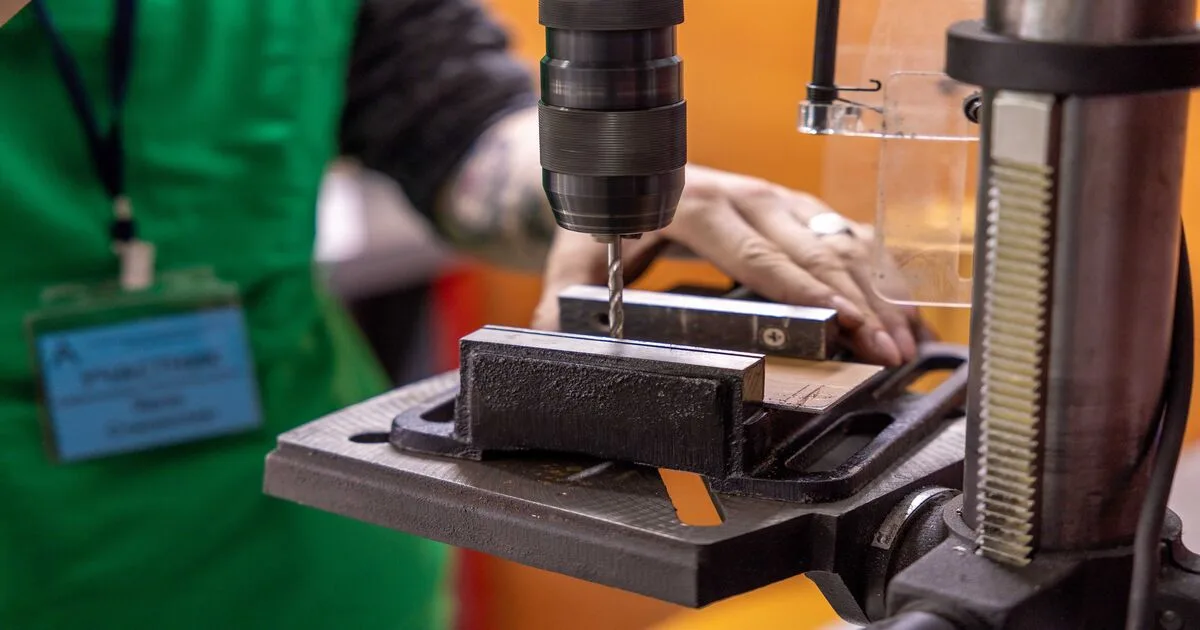
Milling fixtures are specialized industrial tooling devices used to securely hold and position workpieces during milling operations. These fixtures ensure that the component remains stable and accurately aligned while cutting tools remove material during the milling process. Milling fixtures are widely used in CNC machining, automotive manufacturing, aerospace engineering, industrial machinery production, and precision engineering industries. The main purpose of milling fixtures is to improve machining accuracy, production consistency, operational safety, and manufacturing efficiency.
How Do Milling Fixtures Work?
Milling fixtures work by firmly clamping the workpiece onto a machine table or fixture base during milling operations. The fixture uses locating pins, supports, clamps, and guides to hold the component in the correct position. This controlled positioning prevents movement and vibration while milling tools cut the material. Accurate work holding helps manufacturers achieve precise dimensions, smooth finishes, and repeatable machining quality. Milling fixtures also simplify setup operations and improve machining stability.
Importance of Milling Fixtures in Manufacturing
Milling fixtures are extremely important because milling operations require high dimensional accuracy and stable machining conditions. Without proper fixtures, components may shift during machining, causing dimensional errors, poor surface quality, and production defects. Milling fixtures help manufacturers improve machining precision, reduce setup time, increase production speed, and maintain repeatable manufacturing quality. Industries such as aerospace, automotive, medical equipment, electronics, and industrial engineering rely heavily on milling fixture systems for precision manufacturing.
Applications of Milling Fixtures
Milling fixtures are used in manufacturing operations involving engine parts, machine components, aerospace assemblies, industrial structures, molds, dies, and precision engineering products. The fixtures support both manual and CNC milling operations in low, medium, and high-volume production environments. Milling fixtures are highly valuable in applications requiring tight tolerances and complex component geometries. The systems are commonly used in automated machining and industrial manufacturing operations.
Industries That Use Milling Fixtures
Automotive industries use milling fixtures for engine systems, transmission parts, chassis components, and structural assemblies. Aerospace manufacturers depend on milling fixtures for aircraft structures, turbine systems, and lightweight engineering components. Medical industries use milling fixtures for surgical instruments, implants, and precision medical devices. Industrial machinery manufacturers rely on milling fixtures for machine systems, molds, tooling, and engineering assemblies. Electronics, defense, heavy engineering, and fabrication industries also use milling fixtures extensively. The process supports industries requiring accurate and repeatable machining operations.
1. Improves Machining Accuracy
One of the biggest advantages of milling fixtures is their ability to improve machining accuracy during production operations. Fixtures securely hold the workpiece in the correct position while milling tools perform cutting operations. Accurate positioning reduces dimensional variation and helps maintain tight engineering tolerances. Improved machining precision supports better assembly compatibility and operational reliability. This advantage is especially important in aerospace, automotive, and precision engineering applications.
2. Supports Repeatable Production Quality
Milling fixtures allow manufacturers to produce identical machined components with consistent quality across repeated production cycles. Stable positioning reduces variation during machining operations and improves manufacturing consistency. Repeatable production quality reduces rejection rates and improves customer satisfaction. This advantage is highly valuable in medium and high-volume industrial manufacturing operations. Consistent machining quality also supports better process control and operational stability.
3. Reduces Setup Time
Milling fixtures simplify component positioning and reduce setup time during manufacturing operations. Quick and accurate loading systems improve workflow efficiency and increase production productivity. Reduced setup time also minimizes machine downtime between operations. Efficient setup systems are especially important in automated machining and CNC manufacturing environments. Faster production preparation helps manufacturers improve operational efficiency and manufacturing output.
4. Improves Worker Safety
Milling fixtures improve workplace safety by securely holding workpieces during machining operations. Stable work holding reduces the risk of movement, slipping, or operational hazards while milling tools are running. Fixtures also reduce excessive manual handling and operator fatigue during repetitive production tasks. Improved safety conditions help manufacturers maintain safer industrial work environments. Automated fixture systems further improve operational safety in high-speed machining operations.
5. Supports CNC and Automated Machining
Modern milling fixtures are widely used in CNC machining systems and automated manufacturing operations. Fixtures support accurate positioning during multi-axis machining and automated cutting operations. Automation-supported fixtures improve machining consistency and reduce manual intervention during production. The systems also help improve production speed and maintain stable manufacturing quality. The integration of milling fixtures with smart manufacturing technologies is becoming increasingly important in modern industries.
Final Conclusion
Milling fixtures are essential industrial tooling systems used to securely hold and position workpieces during milling operations for accurate and efficient manufacturing performance. The fixtures improve machining accuracy, production consistency, operational safety, setup efficiency, and manufacturing productivity. Industries such as automotive, aerospace, medical equipment, industrial machinery, electronics, and engineering manufacturing continue relying heavily on milling fixture systems for precision machining applications. With continuous advancements in automation, CNC machining, smart manufacturing, and digital engineering technologies, milling fixtures will continue playing a major role in the future of industrial manufacturing and precision engineering.