
Benefits of Custom Fixtures in Production
What are Custom Fixtures?
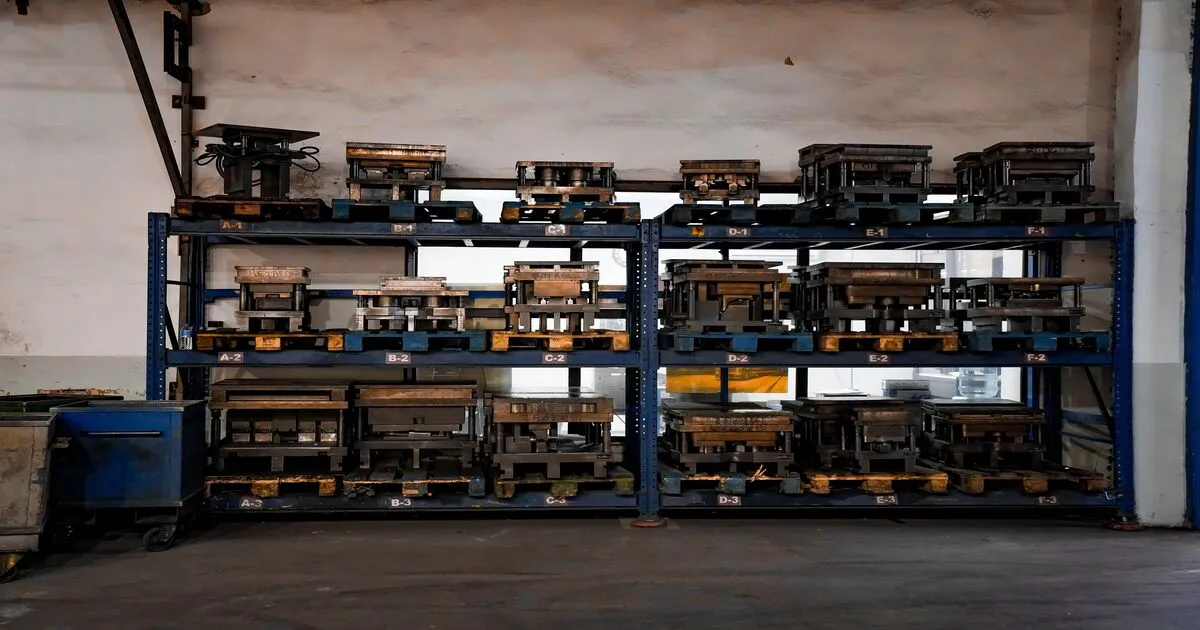
Custom fixtures are specially designed tooling systems developed to securely hold, position, support, or guide specific components during manufacturing and production operations. Unlike standard fixtures, custom fixtures are designed according to the exact dimensions, geometry, and production requirements of a particular workpiece or manufacturing process.Custom fixtures are widely used in CNC machining, welding, assembly, drilling, inspection, automotive manufacturing, aerospace engineering, and industrial production systems. These fixtures help manufacturers achieve higher accuracy, production consistency, and operational efficiency in specialized manufacturing applications.
Importance of Custom Fixtures in Manufacturing
Custom fixtures play a major role in manufacturing because modern industries require highly accurate, repeatable, and efficient production operations. Standard fixtures may not always provide the positioning accuracy or stability needed for complex or specialized components. Custom fixtures help manufacturers improve machining precision, reduce setup time, increase productivity, and maintain consistent production quality. Industries such as automotive, aerospace, medical equipment, electronics, industrial machinery, and precision engineering heavily depend on custom fixture systems for advanced manufacturing operations.
How Custom Fixtures Work
Custom fixtures work by securely holding and aligning a specific workpiece according to the manufacturing process requirements. The fixture is designed using engineering drawings, CAD software, and production specifications to ensure proper positioning during operations such as machining, welding, drilling, inspection, or assembly. Custom fixtures use clamps, locators, supports, guide systems, and positioning elements to stabilize the component during production. This controlled positioning helps improve manufacturing precision and operational stability.
Applications of Custom Fixtures
Custom fixtures are used in CNC machining, robotic welding, drilling operations, assembly lines, quality inspection systems, and automated production environments. The fixtures support the production of engine components, aerospace assemblies, surgical devices, industrial machinery, electronic systems, and structural engineering parts. Custom fixtures are especially valuable for manufacturing complex components with tight tolerances and repeatable quality requirements. The systems are widely used in both low-volume specialized production and high-volume industrial manufacturing operations.
Industries That Use Custom Fixtures
Automotive industries use custom fixtures for engine systems, transmission assemblies, body panels, and robotic welding operations. Aerospace manufacturers depend on custom fixtures for aircraft structures, turbine systems, and lightweight engineering components. Medical industries use custom fixtures for surgical instruments, implants, and precision healthcare equipment manufacturing. Electronics manufacturers rely on custom fixtures for connectors, miniature assemblies, and inspection systems. Industrial machinery, heavy engineering, defense, and fabrication industries also use custom fixture systems extensively. The process supports industries requiring precision, repeatability, and efficient production operations.
1. Improves Manufacturing Accuracy
One of the biggest advantages of custom fixtures is their ability to improve manufacturing accuracy. Custom-designed fixtures position the workpiece exactly according to engineering specifications and machining requirements. Accurate positioning reduces dimensional variation and improves production precision during operations. Improved manufacturing accuracy supports better assembly compatibility and product reliability. This advantage is especially important in aerospace, automotive, and precision engineering applications.
2. Supports Repeatable Production Quality
Custom fixtures allow manufacturers to produce identical components with consistent quality across repeated production cycles. Stable positioning reduces production variation and improves operational consistency. Repeatable production quality reduces rejection rates and helps maintain strict engineering standards. This advantage is highly valuable in medium and high-volume manufacturing operations. Consistent manufacturing quality also improves customer satisfaction and operational reliability.
3. Reduces Setup Time
Custom fixtures simplify workpiece positioning and reduce setup time during manufacturing operations. Quick loading and accurate positioning systems improve workflow efficiency and reduce machine downtime. Reduced setup time allows manufacturers to increase productivity and improve production speed. This advantage is especially important in CNC machining and automated production environments. Efficient setup systems also contribute to lower operational costs.
4. Increases Production Efficiency
Custom fixtures improve overall production efficiency by supporting stable and reliable manufacturing operations. Accurate positioning reduces machining errors, operational interruptions, and manual adjustments during production. Efficient fixture systems also improve machine performance and production speed. Higher production efficiency helps manufacturers increase output while maintaining consistent product quality. This advantage contributes directly to better manufacturing productivity and operational performance.
5. Reduces Manufacturing Errors and Defects
Custom fixtures help reduce production defects caused by incorrect positioning, misalignment, vibration, or unstable work holding. Accurate fixture design improves machining precision and process control during manufacturing operations. Reduced manufacturing errors help manufacturers lower material wastage and quality correction costs. Stable fixture systems also improve operational reliability and manufacturing consistency. This advantage is highly valuable in precision engineering industries.
6. Improves Worker Safety
Custom fixtures improve workplace safety by securely holding components during production operations. Stable workpiece positioning reduces the risk of slipping, movement, and operational hazards during machining or assembly processes. Fixtures also reduce excessive manual handling and operator fatigue during repetitive production tasks. Improved safety conditions help manufacturers maintain safer industrial working environments. Automated custom fixture systems further improve safety in robotic manufacturing operations.
7. Supports Automation and Specialized Manufacturing
Modern manufacturing industries increasingly depend on automation and specialized production systems. Custom fixtures support robotic welding, CNC machining, automated assembly, inspection systems, and smart manufacturing technologies. Automation-supported custom fixtures improve production consistency, reduce labor dependency, and support advanced manufacturing flexibility. Custom-designed fixture systems are highly valuable for complex engineering applications and precision manufacturing operations. The integration of fixtures with digital manufacturing technologies is becoming increasingly important in modern industries.
8. Future of Custom Fixtures in Production
As manufacturing technologies continue evolving, custom fixture systems are becoming more advanced through automation, smart manufacturing, artificial intelligence, and digital engineering integration. Manufacturers are increasingly investing in modular fixtures, intelligent clamping systems, robotic positioning technologies, and IoT-enabled manufacturing solutions. The future of custom fixtures will focus on improving flexibility, precision, automation, and manufacturing efficiency. Advanced fixture technologies will continue supporting industrial automation and precision engineering growth.
Final Conclusion
Custom fixtures are essential tooling systems used to securely hold and position specific components during manufacturing operations for accurate and efficient production performance. The fixtures improve manufacturing accuracy, repeatable quality, setup efficiency, worker safety, production speed, and operational reliability. Industries such as automotive, aerospace, medical equipment, electronics, industrial machinery, and engineering manufacturing continue relying heavily on custom fixture systems for precision production operations. With continuous advancements in automation, CNC machining, smart manufacturing, and digital engineering technologies, custom fixtures will continue playing a major role in the future of industrial manufacturing and precision engineering applications.