
Selecting the Right Industrial Machinery
What is Industrial Machinery?
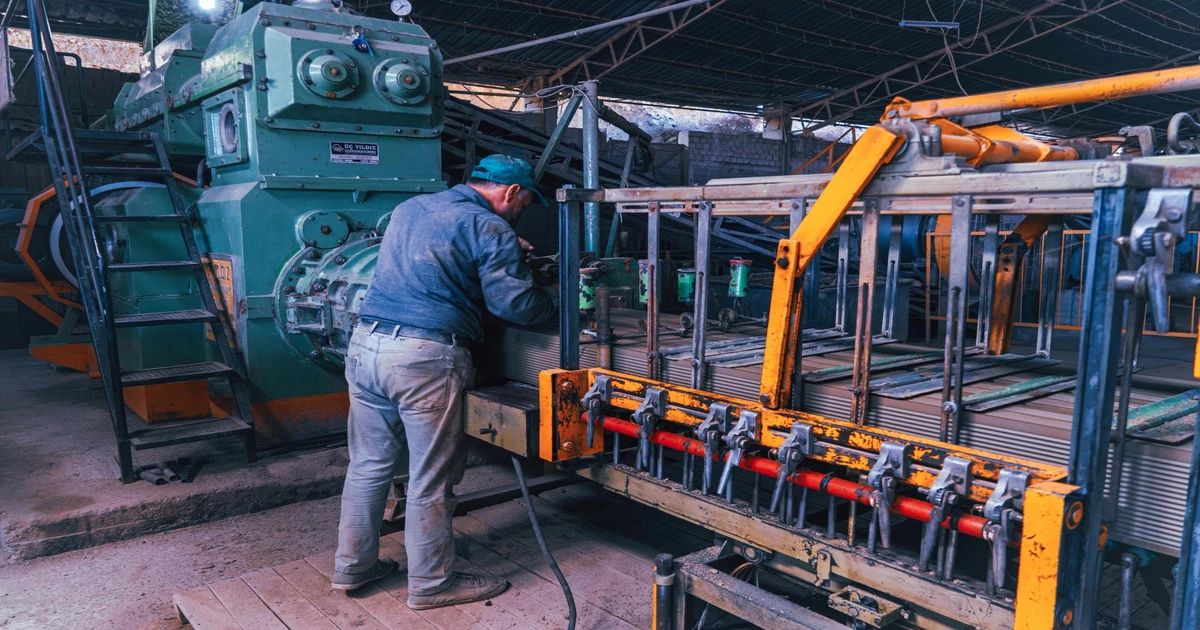
Industrial machinery refers to advanced equipment and mechanical systems used in manufacturing, production, material handling, machining, automation, and industrial processing operations. These machines are designed to improve production efficiency, operational accuracy, manufacturing consistency, and large-scale industrial productivity. Industrial machinery includes CNC machines, robotic systems, pressure die casting machines, material processing equipment, assembly systems, industrial automation technologies, and precision engineering equipment. Modern industries rely heavily on advanced industrial machinery to maintain competitiveness, improve operational performance, and support smart manufacturing initiatives.
Importance of Selecting the Right Industrial Machinery
Selecting the right industrial machinery is critical for improving production efficiency, reducing operational costs, maintaining product quality, and supporting long-term business growth. The wrong equipment can lead to production delays, increased maintenance costs, operational inefficiencies, and poor manufacturing performance. Industries such as automotive, aerospace, electronics, heavy engineering, precision manufacturing, and energy production require carefully selected machinery to meet specific operational requirements. Proper machinery selection helps manufacturers improve productivity, scalability, and manufacturing reliability.
Role of Industrial Machinery in Manufacturing
Industrial machinery plays a major role in modern manufacturing by automating production processes, improving precision, and supporting high-volume industrial operations. Advanced machinery systems help manufacturers optimize workflow management, quality control, material handling, and production speed. The integration of robotics, AI-driven systems, and Industry 4.0 technologies has further increased the importance of intelligent industrial machinery. Reliable and efficient machinery forms the foundation of modern smart manufacturing environments.
Factors to Consider When Selecting Industrial Machinery
Selecting industrial machinery requires careful evaluation of production requirements, operational goals, budget considerations, technology compatibility, and long-term business objectives. Manufacturers must analyze machinery performance, production capacity, automation capabilities, maintenance requirements, and energy efficiency before making investment decisions. Modern industries also focus on scalability, digital integration, and smart manufacturing compatibility while selecting industrial equipment. Choosing the right machinery improves operational stability and long-term manufacturing success.
Industries Using Advanced Industrial Machinery
Automotive industries use CNC machining systems, robotic welding machines, assembly automation systems, and pressure die casting equipment.Aerospace manufacturers rely on precision machining centers, automated inspection systems, and advanced engineering machinery. Electronics industries use automated assembly systems, semiconductor production equipment, and precision manufacturing technologies. Heavy engineering, pharmaceuticals, renewable energy, and industrial automation sectors also depend heavily on advanced industrial machinery solutions.
1. Understand Production Requirements
The first step in selecting industrial machinery is understanding production requirements and operational objectives. Manufacturers should evaluate production volume, material type, component complexity, precision requirements, and workflow needs before choosing equipment. Machinery should align with current production demands as well as future scalability requirements. A clear understanding of operational goals helps optimize machinery investment decisions.
2. Evaluate Precision and Performance Capabilities
Industrial machinery must deliver the required level of precision, speed, and operational performance. Industries such as aerospace, automotive, and precision engineering require machines capable of maintaining tight tolerances and consistent production quality. Advanced CNC systems, automated tooling technologies, and digital control systems improve machining accuracy and operational reliability. Performance-driven machinery improves productivity and manufacturing efficiency.
3. Consider Automation and Industry 4.0 Compatibility
Modern manufacturing increasingly depends on automation, robotics, and Industry 4.0 technologies. Manufacturers should select machinery compatible with smart manufacturing systems, IoT-enabled monitoring, AI-driven analytics, and automated production environments. Automation-ready equipment improves operational visibility, predictive maintenance, and manufacturing intelligence. Smart machinery integration supports long-term industrial digital transformation.
4. Focus on Reliability and Durability
Reliable industrial machinery reduces operational downtime, maintenance issues, and production disruptions. Durable equipment improves manufacturing stability and long-term operational performance. Manufacturers should evaluate machine quality, engineering standards, component durability, and supplier reputation before purchasing machinery. Reliable systems improve productivity and reduce long-term operational risks.
5. Analyze Energy Efficiency
Energy-efficient industrial machinery helps reduce operational costs and improve sustainability performance. Modern manufacturing industries increasingly focus on energy optimization and environmentally responsible production systems. Energy-efficient machines consume less power while maintaining high operational performance. Sustainable manufacturing practices also strengthen long-term business competitiveness.
6. Maintenance and Service Support
Maintenance requirements and technical service support are important factors in industrial machinery selection. Manufacturers should choose machinery suppliers that provide strong technical assistance, spare parts availability, and after-sales service support. Efficient maintenance systems improve machine lifespan and reduce operational interruptions. Predictive maintenance technologies also help optimize equipment performance and reliability.
7. Scalability and Future Expansion
Industrial machinery should support future business growth and production expansion. Scalable machinery systems allow manufacturers to increase production capacity without major operational disruptions. Flexible manufacturing equipment also supports changing production requirements and technological advancements. Future-ready machinery investments improve long-term manufacturing competitiveness.
8. Quality Control and Safety Features
Industrial machinery should include advanced quality control systems and workplace safety features. Automated inspection technologies, digital monitoring systems, and intelligent machine controls improve manufacturing accuracy and operational safety. Safe machinery environments reduce workplace risks and improve compliance with industrial regulations. Quality-driven production systems improve customer satisfaction and manufacturing reliability.
9. Cost vs Long-Term Value
Selecting industrial machinery should focus not only on initial purchase cost but also on long-term operational value. Manufacturers should evaluate productivity improvements, maintenance costs, machine lifespan, energy consumption, and operational efficiency. High-quality machinery often delivers better long-term profitability and reduced operational risks. Strategic machinery investments strengthen overall manufacturing performance and business growth.
10. Future of Industrial Machinery Selection
The future of industrial machinery selection will continue evolving through artificial intelligence, smart manufacturing, automation, robotics, digital twins, and predictive analytics. Manufacturers are increasingly investing in intelligent machinery systems capable of real-time monitoring, automated optimization, and connected manufacturing operations. AI-driven equipment selection and data-based manufacturing strategies will improve operational efficiency and industrial decision-making. Future industrial machinery will focus on automation intelligence, sustainability, flexibility, and fully connected smart factory ecosystems.
Final Conclusion
Selecting the right industrial machinery is essential for improving manufacturing efficiency, operational reliability, product quality, automation integration, and long-term business growth. Industries such as automotive, aerospace, electronics, heavy engineering, and precision manufacturing depend heavily on advanced machinery systems for operational success. Technologies such as CNC machining, robotics, AI-driven manufacturing, smart automation, and Industry 4.0 integration are transforming modern industrial machinery environments worldwide. With continuous advancements in intelligent manufacturing, digital engineering, and automation technologies, selecting the right industrial machinery will continue playing a major role in industrial innovation and manufacturing excellence.