
Challenges in Aerospace Manufacturing
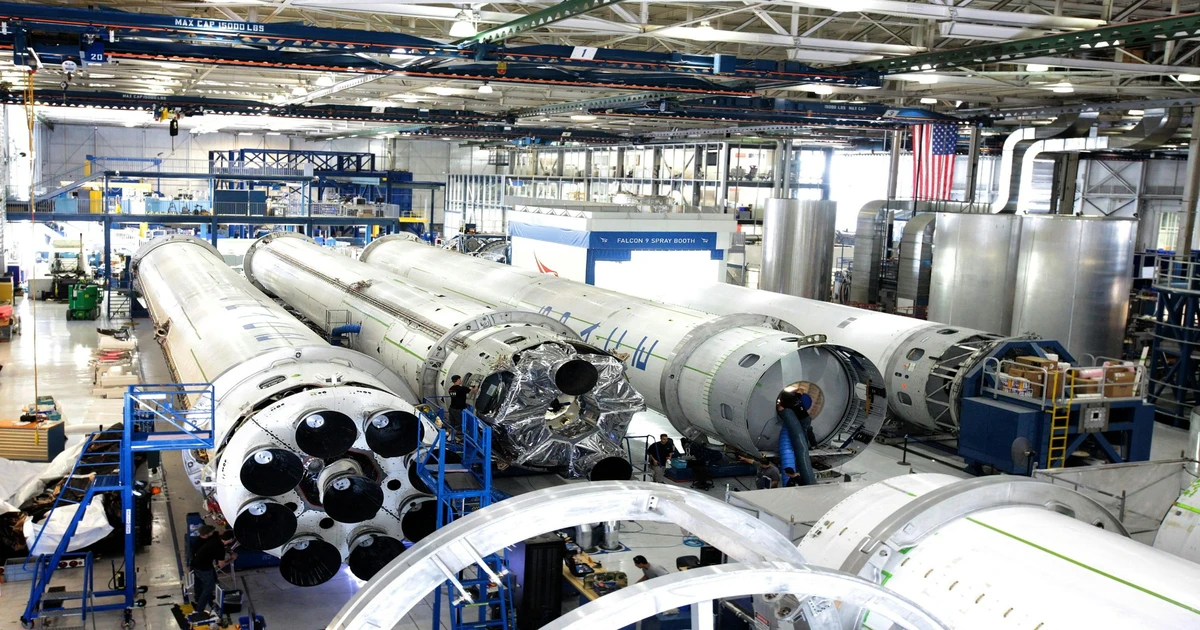
Overview of Aerospace Manufacturing
Aerospace manufacturing is one of the most advanced and precision-driven industrial sectors in the world. It involves the design, engineering, machining, assembly, testing, and production of aircraft components, spacecraft systems, defense equipment, and aviation technologies. The industry requires extremely high precision, advanced materials, strict quality standards, and complex manufacturing processes to ensure safety and operational reliability. Modern aerospace manufacturing depends heavily on CNC machining, CAD/CAM systems, robotics, automation, additive manufacturing, and smart manufacturing technologies.Despite rapid technological advancements, aerospace manufacturers continue facing multiple operational, engineering, and supply chain challenges.
Importance of Aerospace Manufacturing
The aerospace industry plays a major role in global transportation, defense systems, satellite technology, and industrial innovation. Aerospace manufacturing supports economic growth, technological advancement, engineering development, and high-value industrial production. The sector also drives innovation in automation, precision engineering, lightweight materials, AI-driven manufacturing, and smart factory systems. As aerospace technologies continue evolving, manufacturers must overcome increasingly complex production and operational challenges.
Role of Precision Engineering in Aerospace Manufacturing
Precision engineering is critical in aerospace manufacturing because aircraft and aerospace systems operate under highly demanding conditions. Components used in aerospace systems require tight tolerances, lightweight construction, high structural strength, and exceptional reliability. Precision manufacturing technologies help aerospace companies maintain strict quality standards and operational performance. However, maintaining such high levels of accuracy and consistency creates several manufacturing and engineering challenges.
Major Challenges in Aerospace Manufacturing
Aerospace manufacturing involves highly sophisticated production systems that require advanced engineering expertise, specialized materials, regulatory compliance, and intelligent manufacturing technologies.Manufacturers face challenges related to precision requirements, production costs, supply chain management, workforce shortages, and rapid technological changes. The increasing complexity of aerospace systems and global competition is further intensifying these challenges. At the same time, aerospace manufacturers must continuously innovate while maintaining strict safety and quality standards.
Industries Connected to Aerospace Manufacturing
Precision engineering industries support aerospace production through CNC machining, tooling, automated inspection systems, and advanced component manufacturing. Electronics industries contribute through avionics systems, aerospace sensors, semiconductors, and communication technologies. Material science industries develop lightweight aerospace alloys, titanium components, and composite materials. Automation, robotics, software engineering, and industrial manufacturing sectors also play major roles in aerospace production systems.
1. Maintaining High Precision and Tight Tolerances
One of the biggest challenges in aerospace manufacturing is maintaining extremely high precision and dimensional accuracy. Aerospace components require tight tolerances because even small deviations can impact aircraft performance, safety, and operational reliability. Manufacturing turbine blades, structural assemblies, avionics systems, and engine components demands advanced CNC machining and precision engineering capabilities. Consistent precision manufacturing across large production volumes remains a major industry challenge.
2. Strict Quality and Safety Standards
The aerospace industry operates under some of the strictest quality and safety regulations in the world. Manufacturers must comply with standards such as AS9100, FAA regulations, defense specifications, and international aerospace certifications. Maintaining compliance requires advanced inspection systems, detailed documentation, traceability, and continuous quality monitoring. Strict quality management increases operational complexity and manufacturing costs.
3. High Manufacturing Costs
Aerospace manufacturing involves expensive materials, advanced machinery, specialized tooling, and highly skilled engineering teams. The use of titanium alloys, composite materials, precision CNC systems, robotic automation, and testing equipment significantly increases production costs. Research and development investments are also very high in aerospace manufacturing. Managing production costs while maintaining quality and innovation remains a major challenge for aerospace companies.
4. Complex Supply Chain Management
Aerospace manufacturing depends on highly interconnected global supply chains involving precision components, advanced materials, electronics, and engineering systems. Supply chain disruptions can delay production schedules and impact aerospace project timelines. Managing supplier quality, logistics coordination, inventory systems, and global sourcing operations requires strong operational control. Supply chain reliability has become increasingly important in modern aerospace manufacturing environments.
5. Skilled Workforce Shortage
Aerospace manufacturing requires highly skilled engineers, CNC machinists, quality inspectors, automation specialists, and aerospace technicians. Finding and retaining experienced technical professionals remains a major challenge across the industry. The rapid adoption of automation, AI-driven systems, and smart manufacturing technologies also requires continuous workforce training and skill development. Workforce shortages can affect production efficiency and manufacturing scalability.
6. Lightweight Material Manufacturing Challenges
Modern aerospace manufacturing focuses heavily on lightweight engineering using advanced materials such as titanium, aluminum alloys, and composite structures. These materials improve fuel efficiency and aircraft performance but are often difficult to machine and manufacture. Lightweight materials require specialized tooling, precision machining, and advanced quality control systems. Maintaining structural integrity while reducing weight remains a major aerospace engineering challenge.
7. Rapid Technological Advancements
The aerospace industry is evolving rapidly through automation, artificial intelligence, additive manufacturing, digital twins, and Industry 4.0 technologies. Manufacturers must continuously upgrade production systems, engineering software, and manufacturing infrastructure to remain competitive. Integrating new technologies into existing manufacturing environments can be complex and expensive. Technology adaptation and digital transformation are becoming critical industry challenges.
8. Production Complexity and Long Development Cycles
Aerospace products involve highly complex engineering systems and extended development timelines.Design validation, simulation testing, certification processes, and quality approvals can take several years before production begins. Complex manufacturing operations also require advanced coordination between engineering, production, quality, and regulatory teams. Long development cycles increase operational risks and project management challenges.
9. Cybersecurity and Digital Manufacturing Risks
Modern aerospace manufacturing increasingly depends on digital systems, cloud platforms, connected machines, and smart factory technologies. This creates cybersecurity challenges related to data protection, intellectual property security, and digital manufacturing infrastructure. Cyber threats can impact operational reliability and sensitive aerospace engineering information. Manufacturers must invest heavily in secure digital manufacturing environments and cybersecurity systems.
10. Sustainability and Environmental Regulations
The aerospace industry faces growing pressure to reduce environmental impact and improve manufacturing sustainability. Manufacturers are expected to reduce emissions, improve fuel efficiency, optimize energy consumption, and adopt sustainable production practices. Balancing sustainability goals with operational efficiency and aerospace performance requirements remains a significant challenge. Green aerospace manufacturing is becoming increasingly important for long-term industry growth.
Future Solutions for Aerospace Manufacturing Challenges
The future of aerospace manufacturing will depend heavily on automation, smart manufacturing, AI-driven systems, digital engineering, and advanced material technologies. Manufacturers are increasingly investing in robotic automation, predictive analytics, additive manufacturing, digital twins, and intelligent quality management systems. Industry 4.0 technologies will help improve operational efficiency, precision manufacturing, supply chain visibility, and production flexibility. Advanced engineering innovation will continue helping aerospace manufacturers overcome future industrial challenges.
Final Conclusion
Aerospace manufacturing is one of the most technologically advanced industries, but it also faces major challenges related to precision engineering, quality standards, manufacturing costs, supply chain management, workforce development, and technological transformation. The increasing complexity of aerospace systems and growing demand for lightweight, efficient, and intelligent aerospace technologies continue driving industrial challenges and innovation. Technologies such as CNC machining, CAD/CAM systems, automation, robotics, AI-driven manufacturing, and Industry 4.0 integration are helping manufacturers improve operational efficiency and manufacturing reliability. With continuous advancements in digital engineering, smart manufacturing, and aerospace innovation, the industry is expected to overcome these challenges and continue expanding as a major driver of global industrial and technological growth.