
Importance of Precision Engineering in Modern Industry
What is Precision Engineering?
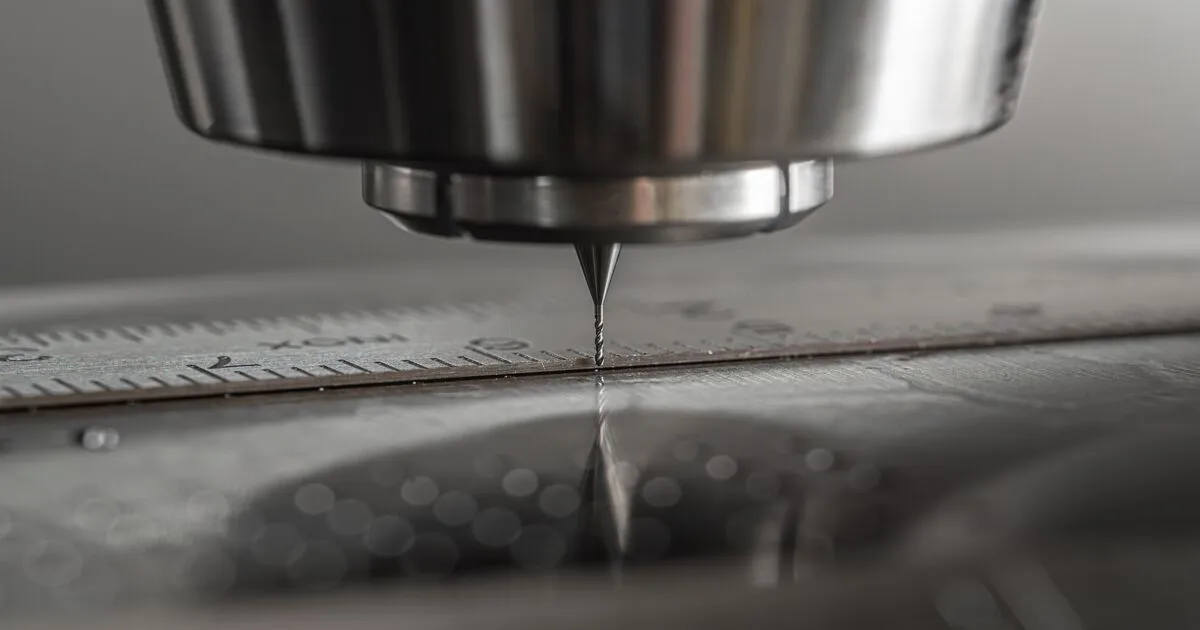
Precision engineering is a specialized branch of manufacturing focused on designing and producing highly accurate components, machines, tools, and engineering systems with extremely tight tolerances and superior dimensional accuracy. The field combines advanced manufacturing technologies, CNC machining, automation, CAD/CAM systems, robotics, and quality control processes to manufacture complex industrial components. Precision engineering plays a critical role in industries where accuracy, reliability, durability, and operational performance are essential. Modern industrial sectors such as automotive, aerospace, electronics, medical equipment, renewable energy, and industrial machinery heavily depend on precision engineering solutions.
Role of Precision Engineering in Modern Manufacturing
Precision engineering supports modern manufacturing by enabling industries to produce high-performance components with consistent quality and minimal dimensional variation. Advanced engineering systems require accurate machining, reliable assembly, and strict quality standards to ensure operational efficiency and product reliability. Precision engineering helps manufacturers improve production efficiency, reduce material waste, optimize manufacturing workflows, and maintain global quality standards. The integration of automation and smart manufacturing technologies has further increased the importance of precision engineering in industrial operations.
Importance of Precision Engineering in Modern Industry
Modern industries require advanced engineering capabilities to meet increasing demands for automation, lightweight materials, high-speed production, and intelligent manufacturing systems. Precision engineering ensures that industrial components function accurately and reliably even under demanding operating conditions. Industries relying on high-performance machinery and advanced production systems depend heavily on precision engineering for operational success. The growing adoption of Industry 4.0, robotics, AI-driven manufacturing, and digital engineering is making precision engineering more important than ever.
How Precision Engineering Supports Industrial Growth
Precision engineering supports industrial growth by improving manufacturing quality, production scalability, operational reliability, and technological innovation. Manufacturers using precision engineering technologies can produce complex products faster while maintaining strict dimensional accuracy and quality standards.Precision manufacturing also supports product innovation, efficient assembly operations, and advanced industrial automation. As global industries continue modernizing, precision engineering remains one of the key drivers of industrial competitiveness and manufacturing excellence.
Industries That Depend on Precision Engineering
Automotive industries use precision engineering for engine systems, transmission components, electric vehicle parts, and lightweight structural assemblies. Aerospace manufacturers rely heavily on precision engineering for turbine components, aircraft structures, and high-performance aerospace systems. Electronics industries depend on precision engineering for semiconductors, PCB manufacturing, connectors, and miniaturized electronic devices. Medical equipment manufacturers use precision engineering for surgical instruments, implants, robotic surgery systems, and healthcare devices. Industrial machinery, renewable energy, defense, robotics, and automation industries also rely extensively on precision engineering solutions.
1. High Accuracy and Tight Tolerances
One of the biggest advantages of precision engineering is its ability to achieve extremely high dimensional accuracy and tight tolerances. Advanced CNC machining, CAD/CAM systems, and automated manufacturing technologies help industries produce components with minimal variation. Accurate manufacturing improves product performance, assembly precision, and operational reliability. High-precision engineering is especially critical in aerospace, automotive, electronics, and medical industries.
2. Improved Product Quality
Precision engineering helps manufacturers maintain superior product quality and manufacturing consistency. Strict quality control systems, advanced inspection technologies, and precision machining processes reduce production defects and improve reliability. Consistent product quality strengthens customer satisfaction and industrial performance. High-quality manufacturing standards also support international certifications and export competitiveness.
3. Supports Advanced Manufacturing Technologies
Modern manufacturing technologies depend heavily on precision engineering systems. Industries use precision engineering in robotics, automation, additive manufacturing, CNC machining, and smart factory operations. Advanced engineering technologies require accurate component manufacturing and precise assembly operations to function efficiently. Precision engineering acts as the foundation for modern industrial innovation and smart manufacturing development.
4. Enhances Production Efficiency
Precision engineering improves production efficiency by reducing machining errors, minimizing rework, and optimizing manufacturing workflows. Advanced manufacturing systems help industries increase output while maintaining consistent quality standards. Efficient production operations reduce downtime, improve machine utilization, and support faster manufacturing cycles. Improved operational efficiency also helps reduce manufacturing costs and increase profitability.
5. Enables Complex Product Manufacturing
Modern industries increasingly require highly complex engineering designs and precision-based manufacturing solutions. Precision engineering allows manufacturers to produce intricate geometries, compact components, and advanced mechanical systems with high accuracy. Complex products used in aerospace, medical devices, robotics, and electronics industries depend heavily on precision engineering technologies. The ability to manufacture sophisticated products strengthens industrial innovation and technological advancement.
6. Supports Automation and Industry 4.0
Precision engineering plays a major role in automation and Industry 4.0 manufacturing systems. Automated machinery, robotic systems, IoT-enabled devices, and smart manufacturing technologies require highly accurate components and precision assembly. Precision engineering improves machine performance, system reliability, and intelligent manufacturing integration. The growth of smart factories continues increasing the demand for precision-engineered industrial solutions.
7. Reduces Material Waste and Operational Costs
Precision manufacturing techniques improve material utilization and reduce production waste. Accurate machining processes help manufacturers minimize scrap generation, machining errors, and unnecessary rework operations. Reduced material waste improves cost efficiency and supports sustainable manufacturing practices. Efficient resource management also contributes to long-term industrial profitability.
8. Improves Safety and Reliability
Precision-engineered components improve operational safety and system reliability in industrial applications. Industries such as aerospace, automotive, medical equipment, and defense require highly reliable components capable of operating under critical conditions. Accurate manufacturing reduces the risk of component failure and improves long-term operational performance. Reliable engineering systems are essential for maintaining industrial safety standards and customer trust.
9. Drives Innovation and Technological Advancement
Precision engineering supports continuous innovation in manufacturing, product development, and industrial technology. Advanced engineering capabilities allow industries to develop lightweight products, energy-efficient systems, automated machinery, and intelligent manufacturing solutions. Innovation-driven industries depend heavily on precision engineering to achieve technological advancements and market competitiveness. Precision manufacturing also accelerates research, prototyping, and product development cycles.
10. Future of Precision Engineering in Modern Industry
The future of precision engineering will continue evolving through artificial intelligence, robotics, digital manufacturing, automation, and smart engineering technologies. Manufacturers are increasingly investing in multi-axis CNC systems, AI-powered machining, digital twins, IoT integration, and advanced quality control systems. Future industrial growth will depend heavily on ultra-precision manufacturing, intelligent automation, and sustainable engineering solutions. Precision engineering will remain one of the most important foundations of global industrial and technological development.
Final Conclusion
Precision engineering plays a critical role in modern industry by improving manufacturing accuracy, product quality, operational efficiency, automation, and technological innovation. Industries such as automotive, aerospace, electronics, medical equipment, industrial machinery, renewable energy, and robotics rely heavily on precision engineering for reliable and high-performance manufacturing operations. Advanced technologies such as CNC machining, CAD/CAM systems, automation, robotics, and smart manufacturing continue strengthening the importance of precision engineering in industrial growth. With the rapid advancement of Industry 4.0 technologies and intelligent manufacturing systems, precision engineering will continue shaping the future of global manufacturing and industrial innovation.