
Aerospace Manufacturing Standards Explained
What are Aerospace Manufacturing Standards?
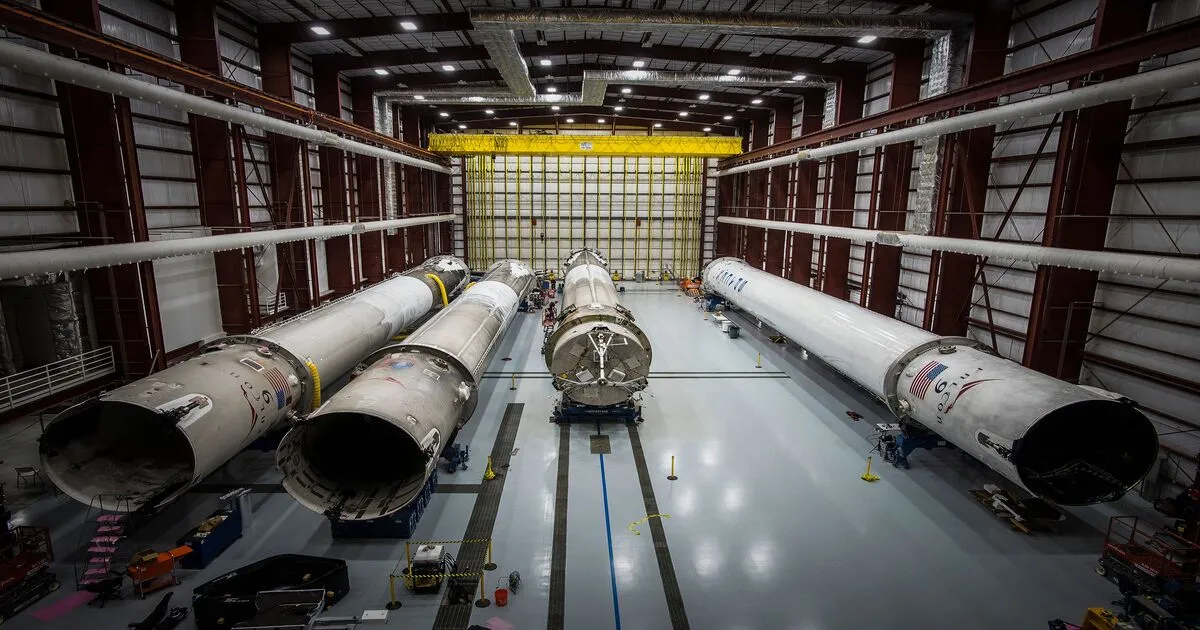
Aerospace manufacturing standards are internationally recognized regulations, quality systems, engineering guidelines, and operational requirements used to ensure the safety, reliability, precision, and performance of aerospace products and manufacturing processes. These standards define the procedures for design, production, inspection, testing, material selection, traceability, documentation, and quality management in aerospace manufacturing.
The aerospace industry operates under extremely strict standards because aircraft, spacecraft, defense systems, and aviation technologies must perform reliably under highly demanding operating conditions. Modern aerospace manufacturers use advanced quality systems, precision engineering technologies, and automated inspection processes to maintain compliance with aerospace manufacturing standards.
Importance of Aerospace Manufacturing Standards
Aerospace manufacturing standards are critical because even minor manufacturing defects or operational failures can affect aircraft safety and aerospace system reliability. These standards help manufacturers maintain consistent production quality, operational safety, engineering precision, and regulatory compliance. Strict aerospace standards also improve customer confidence, global competitiveness, and long-term operational performance. As aerospace technologies continue advancing through automation, lightweight engineering, and smart manufacturing, maintaining compliance with industry standards has become more important than ever.
Role of Standards in Aerospace Manufacturing
Manufacturing standards play a major role in aerospace engineering by ensuring that components and systems meet required safety and performance criteria. Standards guide manufacturers in areas such as quality control, process management, inspection systems, risk management, and operational traceability. They also support consistency across global aerospace supply chains and manufacturing operations. Advanced aerospace standards help improve manufacturing reliability, operational transparency, and production efficiency.
Why Aerospace Manufacturing Requires Strict Standards
The aerospace industry requires extremely high precision because aircraft and aerospace systems operate under extreme environmental and mechanical conditions. Aerospace components must withstand pressure changes, vibration, thermal stress, and long operational cycles without failure. Strict manufacturing standards help reduce risks, improve structural reliability, and ensure safe aerospace operations. Global aviation and defense industries depend heavily on standardized manufacturing systems to maintain operational excellence.
Industries Connected to Aerospace Standards
Commercial aviation manufacturers follow aerospace standards for aircraft structures, engines, avionics systems, and passenger safety systems. Defense aerospace industries use strict compliance systems for military aircraft, missiles, satellites, and aerospace defense technologies. Space exploration programs rely heavily on precision manufacturing standards for spacecraft systems and launch technologies. Precision engineering, CNC machining, robotics, electronics, and material science industries also align their operations with aerospace manufacturing standards.
1. AS9100 Aerospace Quality Management Standard
AS9100 is one of the most important aerospace manufacturing standards used globally. It is based on ISO 9001 quality management principles but includes additional aerospace-specific requirements related to safety, risk management, traceability, and operational reliability. AS9100 helps aerospace manufacturers improve quality control, production consistency, supplier management, and regulatory compliance. Most aerospace companies and suppliers require AS9100 certification for manufacturing operations and global aerospace partnerships.
2. ISO Standards in Aerospace Manufacturing
ISO standards play a major role in aerospace manufacturing quality systems and operational management. ISO 9001 supports quality management systems, while ISO 14001 focuses on environmental management and ISO 45001 supports workplace safety management. These standards help aerospace manufacturers improve operational efficiency, process consistency, and regulatory compliance. ISO-certified aerospace manufacturing systems strengthen global competitiveness and customer confidence.
3. FAA and Aviation Regulatory Compliance
The Federal Aviation Administration (FAA) and other global aviation authorities establish strict aerospace manufacturing regulations and safety standards. Manufacturers must comply with these regulations for aircraft certification, component approval, production quality, and aviation safety. Regulatory compliance includes inspection procedures, material traceability, testing standards, and operational verification systems. Strict aviation regulations help maintain aircraft reliability and passenger safety worldwide.
4. Material and Process Standards
Aerospace manufacturing standards also regulate the use of materials and production processes. Manufacturers must use approved aerospace-grade materials such as aluminum alloys, titanium, composites, and high-performance superalloys. Machining processes, heat treatment methods, welding operations, and coating systems must meet strict aerospace engineering requirements. Material and process control improve aerospace durability, structural integrity, and operational performance.
5. Precision Engineering and Tight Tolerances
Aerospace manufacturing standards require extremely high precision and tight dimensional tolerances. Advanced CNC machining, CAD/CAM systems, automated inspection technologies, and digital measurement systems help manufacturers achieve aerospace-grade accuracy. Tight tolerances improve assembly quality, aerodynamic performance, and operational reliability. Precision engineering standards are critical for aircraft engines, avionics systems, and structural aerospace assemblies.
6. Inspection and Quality Control Standards
Quality inspection is one of the most important parts of aerospace manufacturing standards. Manufacturers use Coordinate Measuring Machines (CMM), laser scanning systems, non-destructive testing methods, and automated inspection technologies to verify product quality. Inspection systems help identify manufacturing defects, dimensional variations, and structural inconsistencies during production. Strong quality control systems reduce operational risks and improve aerospace manufacturing reliability.
7. Traceability and Documentation Requirements
Aerospace standards require detailed traceability and documentation throughout the manufacturing process. Manufacturers must maintain records related to raw materials, machining operations, inspections, testing procedures, and production history. Traceability systems improve accountability, quality audits, maintenance tracking, and regulatory compliance. Digital documentation systems are increasingly used in modern aerospace manufacturing environments.
8. Supplier and Supply Chain Standards
Aerospace manufacturing involves highly interconnected global supply chains. Manufacturers must ensure that suppliers and subcontractors also comply with aerospace quality and manufacturing standards. Supplier audits, process verification, and quality management systems help maintain supply chain reliability and operational consistency. Strong supplier compliance systems improve aerospace manufacturing performance and risk management.
9. Integration with Smart Manufacturing and Industry 4.0
Modern aerospace manufacturing standards increasingly integrate with Industry 4.0 technologies and digital manufacturing systems. AI-driven inspection systems, IoT-enabled monitoring, robotics, predictive analytics, and cloud-based manufacturing platforms improve compliance management and operational visibility. Smart manufacturing systems support automated quality control and real-time production monitoring. Digital aerospace manufacturing environments help improve precision, efficiency, and manufacturing intelligence.
10. Future of Aerospace Manufacturing Standards
The future of aerospace manufacturing standards will continue evolving through artificial intelligence, automation, digital engineering, cybersecurity systems, and sustainable manufacturing technologies. Manufacturers are increasingly adopting intelligent quality management systems, digital twins, AI-powered inspection platforms, and automated compliance monitoring solutions. Future aerospace standards will focus on zero-defect manufacturing, operational transparency, intelligent automation, and connected manufacturing ecosystems. Advanced manufacturing technologies will continue strengthening global aerospace quality and safety systems.
Final Conclusion
Aerospace manufacturing standards play a critical role in ensuring product quality, operational safety, engineering precision, regulatory compliance, and manufacturing reliability across the aerospace industry. Standards such as AS9100, ISO certifications, FAA regulations, and advanced quality management systems help manufacturers maintain consistent aerospace production excellence. Industries such as commercial aviation, defense aerospace, spacecraft manufacturing, precision engineering, and advanced industrial manufacturing rely heavily on strict aerospace standards for operational success. With continuous advancements in automation, smart manufacturing, AI-driven inspection systems, and Industry 4.0 technologies, aerospace manufacturing standards will continue shaping the future of global aerospace engineering and industrial innovation.