
Automotive Tooling Solutions Explained
What are Automotive Tooling Solutions?
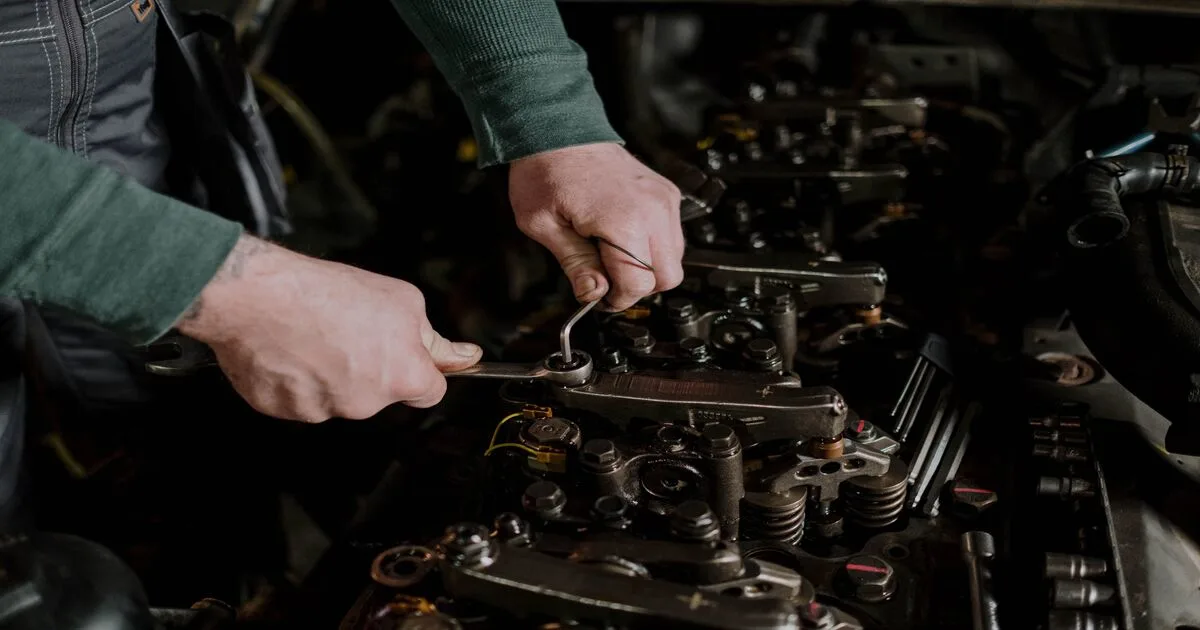
Automotive tooling solutions refer to specialized tools, dies, molds, fixtures, jigs, gauges, and engineering systems used in automotive manufacturing and assembly operations. These tooling systems help manufacturers produce automotive components with high precision, repeatability, and operational efficiency. Automotive tooling supports processes such as CNC machining, welding, stamping, pressure die casting, assembly, inspection, and robotic automation. Modern automotive manufacturing relies heavily on advanced tooling solutions to maintain production consistency, reduce manufacturing errors, and support large-scale industrial operations.
Role of Tooling in Automotive Manufacturing
Tooling plays a critical role in automotive manufacturing by improving production accuracy, manufacturing speed, and operational reliability.Automotive tooling systems ensure that components are machined, assembled, welded, and inspected according to exact engineering specifications.Advanced tooling also supports automated production lines, robotic assembly systems, and precision manufacturing operations. As automotive technologies continue evolving through electric vehicles and smart manufacturing, tooling solutions are becoming increasingly sophisticated and technology-driven.
Importance of Automotive Tooling Solutions
The automotive industry requires extremely high precision, tight tolerances, and consistent production quality because vehicle performance and safety depend heavily on accurate manufacturing processes. Automotive tooling solutions help manufacturers improve dimensional accuracy, production efficiency, assembly consistency, and product reliability. Efficient tooling systems also reduce production downtime, material waste, and operational costs. The growing adoption of automation and Industry 4.0 technologies is further increasing the importance of advanced tooling systems in automotive manufacturing.
Types of Automotive Tooling Solutions
Automotive manufacturing uses various types of tooling systems depending on production requirements and engineering applications. Press tools are used for metal stamping and forming operations in automotive body manufacturing. Fixtures and jigs support accurate positioning and alignment during machining, welding, and assembly operations. Injection molds and pressure die casting molds are used for manufacturing lightweight automotive components and plastic assemblies. Inspection gauges and measurement tooling help manufacturers maintain quality standards and dimensional accuracy throughout production processes.
Automotive Applications Using Tooling Solutions
Engine manufacturing uses precision tooling for machining cylinder heads, engine blocks, crankshafts, and transmission systems. Automotive body assembly operations use welding fixtures and robotic tooling systems for structural alignment and automated assembly. Electric vehicle manufacturing relies on tooling systems for battery assembly, lightweight structural components, and electric drivetrain production. CNC machining operations use specialized tooling for precision automotive component manufacturing. Automotive inspection departments use gauges, fixtures, and digital measurement systems for quality verification and production control.
1. Improved Manufacturing Precision
One of the biggest advantages of automotive tooling solutions is improved manufacturing accuracy and dimensional precision. Precision tooling ensures proper component positioning, machining consistency, and assembly alignment during production operations. Accurate tooling systems help manufacturers achieve tight tolerances and superior product quality. Precision manufacturing is especially important in automotive systems requiring high-performance engineering and operational reliability.
2. Increased Production Efficiency
Automotive tooling solutions help improve production speed and manufacturing efficiency. Optimized tooling systems reduce setup time, simplify production workflows, and support faster machining and assembly operations. Efficient tooling improves machine utilization and supports large-scale automotive manufacturing operations. Higher production efficiency also helps manufacturers reduce operational costs and improve delivery performance.
3. Better Repeatability and Consistency
Automotive manufacturing requires consistent production quality across high production volumes. Advanced tooling systems provide repeatable positioning and stable manufacturing performance during every production cycle. Consistent production operations reduce defects, improve assembly quality, and strengthen manufacturing reliability. Repeatability is especially important in robotic and automated automotive production environments.
4. Support for Automation and Robotics
Modern automotive factories heavily depend on robotic manufacturing and automated production systems. Automotive tooling solutions are essential for robotic welding, automated assembly, CNC machining, and smart manufacturing operations. Accurate tooling improves robotic precision, operational stability, and manufacturing consistency. Automation-compatible tooling systems support Industry 4.0 integration and intelligent automotive production environments.
5. Reduced Production Errors
Tooling solutions help minimize manufacturing errors and operational inconsistencies during automotive production. Properly designed tooling systems improve alignment accuracy, component stability, and process control. Reduced production errors lower rejection rates, material waste, and rework costs. Efficient tooling systems improve operational reliability and overall manufacturing performance.
6. Support for Lightweight Automotive Manufacturing
The automotive industry increasingly focuses on lightweight engineering and electric vehicle manufacturing. Advanced tooling solutions support aluminum pressure die casting, lightweight structural manufacturing, and precision machining of lightweight automotive components.Specialized tooling systems help manufacturers maintain dimensional accuracy while working with advanced lightweight materials. Lightweight automotive production continues increasing demand for high-precision tooling technologies.
7. Improved Quality Control and Inspection
Inspection tooling systems help automotive manufacturers maintain strict quality standards and engineering specifications. Gauges, fixtures, measurement tools, and digital inspection systems verify component dimensions, tolerances, and assembly accuracy during production.Advanced quality control tooling improves manufacturing consistency and product reliability. Automated inspection technologies also support real-time quality monitoring and production analytics.
8. Faster Product Development and Prototyping
Automotive tooling solutions support rapid prototyping and faster product development cycles. Manufacturers can develop customized tooling systems for prototype production, testing, and engineering validation. Faster tooling development helps automotive companies accelerate product launches and respond quickly to market demands. Rapid prototyping capabilities are especially important in electric vehicle and advanced automotive technology development.
9. Integration with CAD/CAM and Smart Manufacturing
Modern automotive tooling systems are increasingly integrated with CAD/CAM software, digital engineering platforms, and Industry 4.0 technologies. Digital tooling design improves engineering accuracy, simulation capabilities, and manufacturing optimization. Smart manufacturing integration supports predictive maintenance, automated process monitoring, and intelligent production management. Connected tooling systems improve operational visibility and manufacturing efficiency.
10. Future of Automotive Tooling Solutions
The future of automotive tooling solutions will continue evolving through artificial intelligence, robotics, automation, digital twins, and smart manufacturing technologies. Manufacturers are increasingly investing in automated tooling systems, AI-driven production optimization, sensor-based tooling technologies, and advanced digital engineering solutions.Electric vehicle manufacturing, autonomous mobility systems, and connected automotive technologies will continue driving tooling innovation. Future tooling systems will focus on intelligent automation, operational flexibility, precision engineering, and fully connected manufacturing ecosystems.
Final Conclusion
Automotive tooling solutions play a vital role in improving manufacturing precision, production efficiency, quality control, automation support, and operational reliability in automotive manufacturing. Advanced tooling systems help manufacturers maintain consistent production quality, reduce manufacturing errors, support robotic automation, and accelerate product development. Industries such as automotive, electric vehicle manufacturing, precision engineering, CNC machining, pressure die casting, and robotic assembly rely heavily on specialized tooling solutions for advanced industrial operations. With the rapid growth of smart manufacturing, electric mobility, automation, and Industry 4.0 technologies, automotive tooling solutions will continue shaping the future of automotive manufacturing and industrial engineering innovation.