
Future of Gravity Die Casting in India
What is Gravity Die Casting?
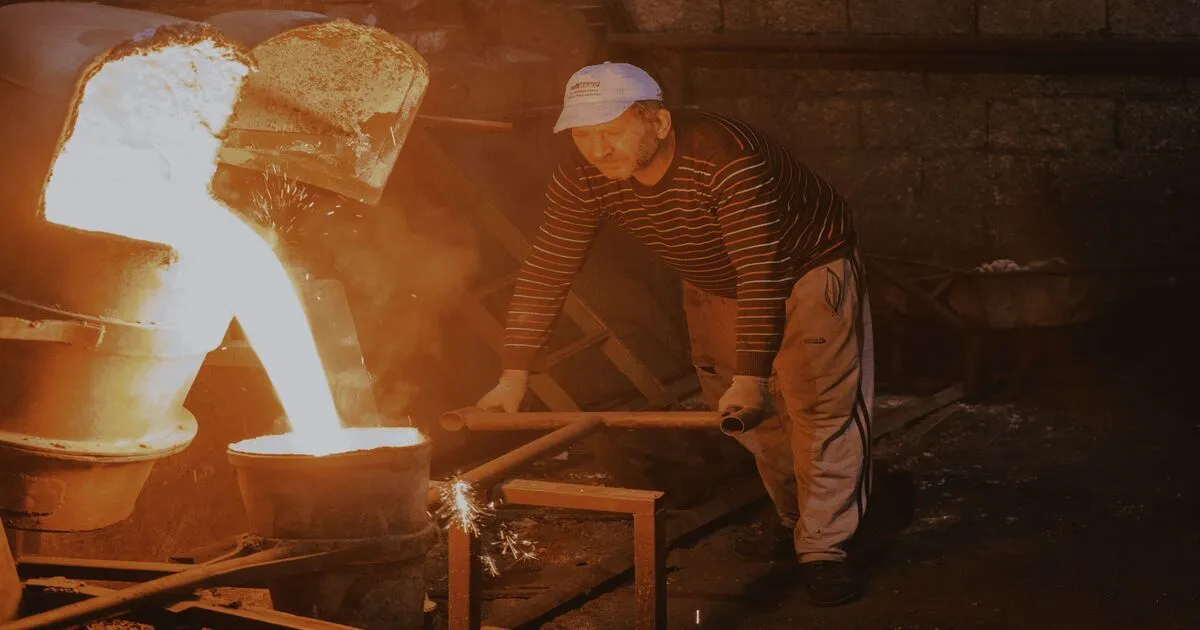
Gravity die casting is a metal casting process in which molten metal is poured into a reusable metal mold using gravitational force instead of external pressure. The molten metal naturally flows into the mold cavity and solidifies into the required component shape. This manufacturing process is widely used for producing strong, durable, and dimensionally accurate metal components with good surface finishes. Gravity die casting is commonly used with aluminum, copper, magnesium, and other non-ferrous alloys in industries such as automotive, aerospace, industrial machinery, and engineering manufacturing. Gravity die casting is especially suitable for medium and high-volume production where structural strength, durability, and reliable component quality are important requirements.
What is the Future of Gravity Die Casting in India?
The future of gravity die casting in India is strongly connected to the country’s growing manufacturing sector, industrial expansion, and increasing demand for high-quality engineering components. India is rapidly becoming a global manufacturing hub because of rising investments in automotive production, aerospace engineering, industrial machinery, transportation systems, and infrastructure development. As industries continue focusing on lightweight engineering, durable components, production efficiency, and export-quality manufacturing, gravity die casting is expected to play a major role in supporting future industrial growth. The increasing adoption of automation, advanced tooling systems, and smart manufacturing technologies will further strengthen the gravity die casting industry in India.
Importance of Gravity Die Casting in India’s Manufacturing Sector
Gravity die casting is becoming increasingly important in India because industries require strong and reliable metal components for modern engineering applications. Manufacturers in India are focusing heavily on improving production quality, reducing manufacturing costs, increasing export capabilities, and adopting advanced manufacturing technologies. Gravity die casting supports these goals by providing strong mechanical properties, improved structural integrity, better dimensional consistency, and efficient medium and high-volume production capabilities. The process is highly valuable for industries such as automotive, aerospace, transportation, industrial machinery, renewable energy, and heavy engineering manufacturing.
Growth of Gravity Die Casting in India
India’s gravity die casting industry is growing steadily because of increased industrialization, rising domestic demand, and global manufacturing opportunities. The Indian manufacturing sector is witnessing significant growth in automotive production, electric vehicle manufacturing, industrial automation, and infrastructure projects. This growth is increasing the demand for durable and precision-engineered die cast components capable of meeting global quality standards. Government initiatives supporting manufacturing expansion and industrial development are also encouraging investments in modern casting technologies and engineering infrastructure.
Industries Driving Gravity Die Casting Growth in India
The automotive industry is one of the biggest drivers of gravity die casting growth in India. Automotive manufacturers use gravity die casting for engine systems, transmission housings, suspension parts, structural assemblies, and lightweight engineering components. Aerospace industries are also increasing their demand for high-strength and lightweight gravity die cast components for aircraft systems and engineering applications. Industrial machinery manufacturers use gravity die casting for pumps, valve bodies, machine parts, and engineering equipment. Transportation, renewable energy, marine engineering, and construction industries are also contributing to the expansion of gravity die casting applications across India.
1. Growth of Automotive Manufacturing
India’s automotive industry is expanding rapidly and continues to create strong demand for gravity die cast components. Vehicle manufacturers increasingly require lightweight, durable, and precision-engineered parts to improve fuel efficiency, vehicle safety, and performance. Gravity die casting supports automotive manufacturing by producing strong structural components with reliable dimensional accuracy and long operational life. The growth of electric vehicles in India is also creating new opportunities for gravity die casting applications in battery systems, motor housings, and lightweight engineering assemblies.
2. Increasing Demand for Lightweight Components
Modern industries are focusing heavily on reducing component weight while maintaining structural strength and durability. Gravity die casting supports lightweight manufacturing through the use of aluminum and magnesium alloys. Lightweight components help improve energy efficiency, operational performance, and sustainability across automotive, aerospace, and industrial sectors. As India continues adopting modern engineering practices, the demand for lightweight gravity die cast components is expected to increase significantly.
3. Expansion of Aerospace and Defense Manufacturing
India’s aerospace and defense sectors are growing rapidly with increasing investments in domestic manufacturing and advanced engineering technologies. Gravity die casting is highly suitable for producing lightweight and structurally strong aerospace components capable of meeting strict performance standards. The expansion of aircraft manufacturing, defense equipment production, and aviation infrastructure will continue supporting the growth of gravity die casting in India. Advanced manufacturing capabilities are becoming increasingly important for supporting aerospace and defense engineering requirements.
4. Adoption of Automation and Smart Manufacturing
Indian manufacturers are increasingly adopting automation, robotics, and smart manufacturing technologies to improve production efficiency and quality control. Modern gravity die casting facilities now use automated mold handling systems, temperature monitoring technologies, robotic operations, and advanced quality inspection systems. Automation helps manufacturers reduce defects, improve consistency, increase productivity, and maintain international manufacturing standards. The future of gravity die casting in India will depend heavily on smart manufacturing integration and advanced process optimization technologies.
5. Growth in Export Opportunities
India is becoming an important global supplier of engineering and industrial components. Gravity die cast components manufactured in India are increasingly being exported to international markets because of competitive manufacturing costs and improving quality standards. Global industries require reliable and durable die cast components for automotive, industrial machinery, transportation, and engineering applications. As export demand continues increasing, Indian manufacturers are investing more in advanced gravity die casting technologies and infrastructure development.
6. Focus on Sustainable Manufacturing
Sustainability is becoming an important focus area in India’s manufacturing sector. Gravity die casting supports sustainable manufacturing because reusable metal molds help reduce waste and improve production efficiency. Manufacturers are also increasingly focusing on recyclable alloys, energy-efficient furnaces, and environmentally responsible manufacturing practices. The future of gravity die casting in India will involve greater emphasis on energy conservation, waste reduction, and sustainable industrial production systems.
7. Government Support for Manufacturing Growth
Government initiatives such as industrial development programs, infrastructure expansion, and manufacturing support policies are helping strengthen India’s engineering sector. Programs supporting domestic manufacturing and industrial modernization are encouraging companies to invest in advanced casting technologies and production capabilities. Improved infrastructure, skilled workforce development, and technology adoption are contributing to the long-term growth of gravity die casting in India. Government support is expected to continue accelerating industrial manufacturing and engineering innovation across the country.
8. Future of Gravity Die Casting Technology in India
The future of gravity die casting in India will focus on advanced automation, lightweight alloy development, improved tooling systems, digital manufacturing technologies, and precision engineering capabilities. Manufacturers are expected to invest more in smart production systems, real-time quality monitoring, artificial intelligence, and advanced process simulation technologies. The industry will continue evolving to meet growing demand for durable, lightweight, and high-performance industrial components. India’s expanding manufacturing ecosystem and increasing global competitiveness will continue supporting the future growth of gravity die casting technologies.
Final Conclusion
Gravity die casting has a strong and promising future in India because of the country’s rapidly growing manufacturing sector and increasing demand for durable engineering components.Industries such as automotive, aerospace, industrial machinery, transportation, renewable energy, and heavy engineering continue driving the expansion of gravity die casting applications across the country. The process offers several advantages, including strong mechanical properties, improved structural integrity, reliable dimensional accuracy, and cost-effective medium and high-volume manufacturing capabilities. With continuous advancements in automation, smart manufacturing, alloy development, and sustainable production technologies, gravity die casting will continue playing a major role in the future growth of India’s industrial manufacturing and precision engineering sectors.