
Future Trends in CNC Machining Industry
What is CNC Machining?
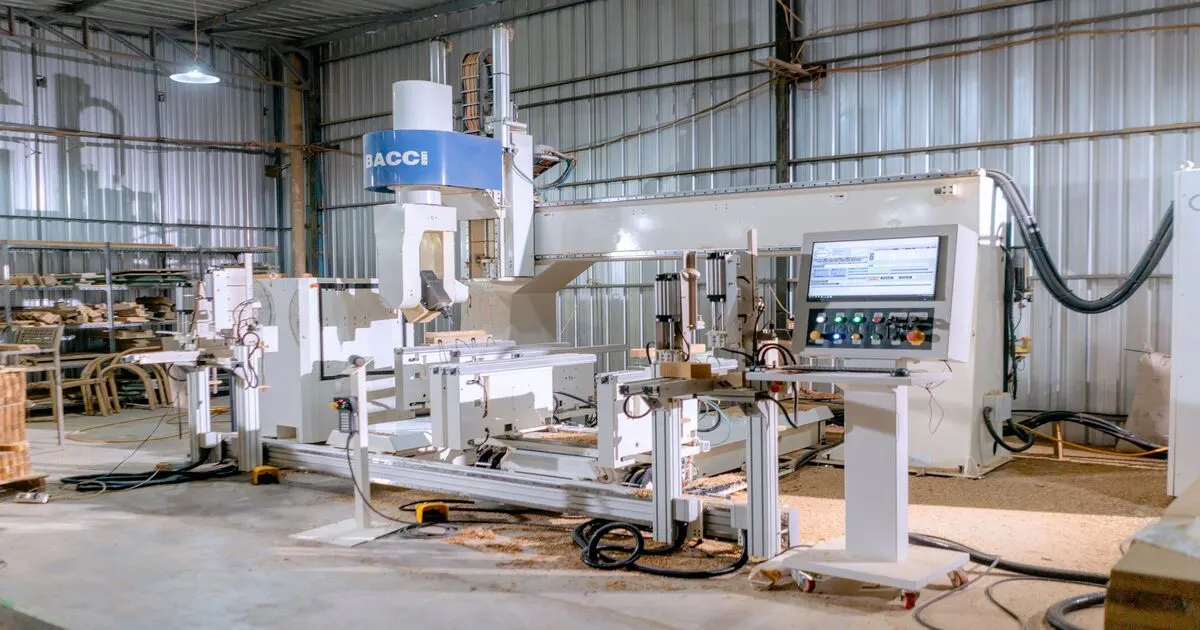
CNC machining is a manufacturing process in which computer-controlled machines are used to cut, shape, drill, and finish metal or plastic components with high precision. The term CNC stands for Computer Numerical Control. In this process, software programs and digital instructions control the movement of cutting tools and machinery during manufacturing operations. CNC machining is widely used in industries such as aerospace, automotive, medical equipment, electronics, industrial machinery, and engineering manufacturing because it supports accurate, repeatable, and efficient production operations. The process is highly suitable for producing precision-engineered components, prototypes, and industrial products with tight tolerances and reliable quality.
What are Future Trends in CNC Machining?
Future trends in CNC machining refer to the advanced technologies, manufacturing innovations, and process developments that are shaping the future of precision manufacturing industries. Modern manufacturing is rapidly evolving through automation, artificial intelligence, digital engineering, smart factories, and sustainable production methods. CNC machining industries are increasingly adopting advanced systems that improve precision, production efficiency, operational reliability, and manufacturing flexibility. These trends are helping manufacturers meet growing industrial demand for high-quality, lightweight, and complex engineering components.
Importance of Future CNC Machining Technologies
Future CNC machining technologies are important because industries require faster production, tighter tolerances, improved automation, and cost-efficient manufacturing solutions. Manufacturers are continuously focusing on reducing production errors, minimizing downtime, improving sustainability, and increasing productivity. Advanced CNC machining technologies also support complex component manufacturing, digital integration, and intelligent production systems. Industries such as aerospace, automotive, medical equipment, electronics, defense, and industrial engineering heavily depend on modern CNC innovations for competitive manufacturing capabilities.
Future Trends in CNC Machining Industry
The CNC machining industry is experiencing rapid transformation through technological advancements and smart manufacturing integration. Modern CNC systems are becoming more automated, connected, and intelligent through the use of artificial intelligence, robotics, IoT-enabled machinery, and digital engineering systems. Manufacturers are also increasingly investing in sustainable production methods, advanced materials, multi-axis machining, and real-time quality monitoring technologies. These trends are improving production efficiency, manufacturing accuracy, and operational performance across industrial sectors.
Industries Driving CNC Machining Innovation
Aerospace industries are driving CNC machining innovation through demand for lightweight, high-precision, and complex engineering components. Automotive manufacturers are investing in advanced CNC technologies for electric vehicles, automated production systems, and lightweight structural manufacturing. Medical industries require highly accurate machining systems for surgical instruments, implants, and precision medical devices. Electronics manufacturers use advanced CNC machining for miniature engineering assemblies and high-performance electronic systems. Industrial machinery, defense, renewable energy, and robotics industries are also contributing to the growth of CNC machining technologies. The process supports industries requiring precision, automation, and advanced engineering capabilities.
1. Automation and Smart Manufacturing
One of the biggest future trends in CNC machining is the growth of automation and smart manufacturing systems. Modern CNC machines are increasingly integrated with robotic automation, intelligent sensors, and automated production lines. Smart manufacturing systems improve production efficiency, reduce manual intervention, and maintain consistent manufacturing quality. Automated CNC operations also help manufacturers reduce downtime, improve safety, and increase production speed. The future of industrial manufacturing will depend heavily on intelligent and connected CNC systems.
2. Artificial Intelligence and Machine Learning
Artificial intelligence and machine learning technologies are becoming increasingly important in CNC machining operations. AI-powered systems can analyze machining data, optimize cutting conditions, predict machine maintenance requirements, and improve production efficiency. Machine learning systems also help manufacturers reduce errors, improve quality control, and optimize manufacturing performance over time. The integration of AI technologies is expected to significantly improve precision engineering and automated manufacturing operations.
3. Multi-Axis CNC Machining Growth
The demand for multi-axis CNC machining is increasing rapidly because industries require more complex and precision-engineered components. Multi-axis machining systems allow manufacturers to produce intricate geometries, curved surfaces, and advanced engineering designs with higher efficiency. The technology reduces setup time, improves surface finish quality, and supports advanced manufacturing flexibility. Aerospace, automotive, medical, and defense industries heavily depend on multi-axis machining systems for future engineering applications.
4. IoT-Enabled CNC Machines
The Internet of Things (IoT) is transforming CNC machining through connected manufacturing systems and real-time machine communication. IoT-enabled CNC machines can monitor performance, track production data, detect abnormalities, and provide predictive maintenance information. Connected manufacturing systems improve operational efficiency, reduce machine downtime, and support intelligent production management. The integration of IoT technologies is helping manufacturers build smarter and more efficient industrial operations.
5. Advanced Materials and Machining Technologies
Future CNC machining industries will increasingly focus on advanced engineering materials and high-performance alloys. Materials such as titanium, composites, carbon fiber, advanced ceramics, and lightweight alloys are becoming more common in precision manufacturing applications. Modern CNC systems are being developed to handle these materials with improved cutting efficiency and precision. Advanced machining technologies will support industries requiring stronger, lighter, and more durable engineering components.
6. Real-Time Quality Monitoring
Real-time quality monitoring systems are becoming an important trend in modern CNC machining operations. Advanced sensors, digital inspection systems, and automated measurement technologies allow manufacturers to monitor production quality continuously. Real-time monitoring helps detect machining errors early, improve tolerance control, and reduce production defects. These technologies improve manufacturing reliability and support high-precision industrial production standards.
7. Sustainable and Energy-Efficient Manufacturing
Sustainability is becoming a major focus area in the CNC machining industry. Manufacturers are increasingly investing in energy-efficient machines, recyclable materials, optimized cutting systems, and waste reduction technologies. Sustainable manufacturing practices help reduce environmental impact while improving operational efficiency and cost management. The future of CNC machining will involve greater emphasis on green manufacturing and environmentally responsible engineering practices.
8. Digital Twin and Simulation Technologies
Digital twin and simulation technologies are becoming more common in advanced CNC machining operations. Digital simulation systems allow manufacturers to test machining operations virtually before actual production begins. These technologies help improve machining accuracy, optimize tool paths, reduce setup errors, and improve manufacturing efficiency. Digital twins also support predictive analysis and intelligent process optimization in smart manufacturing environments.
Final Conclusion
The CNC machining industry is rapidly evolving through automation, artificial intelligence, smart manufacturing, IoT integration, advanced materials, and sustainable engineering technologies. Future CNC machining trends are focused on improving precision, increasing production efficiency, reducing manufacturing errors, and supporting intelligent industrial operations. Industries such as aerospace, automotive, medical equipment, electronics, industrial machinery, defense, and advanced engineering manufacturing continue driving the growth of modern CNC machining technologies. With continuous advancements in digital engineering, automation, and precision manufacturing systems, CNC machining will continue playing a major role in the future of industrial manufacturing and engineering innovation.