
Importance of Industrial Machinery in Manufacturing
What is Industrial Machinery?
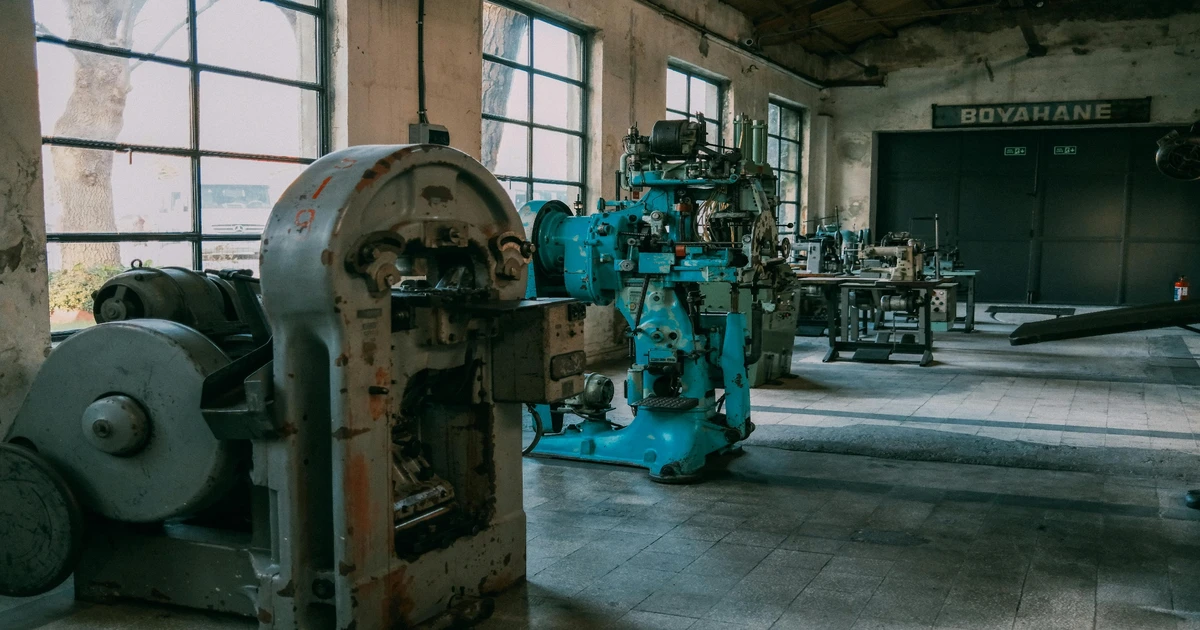
Industrial machinery refers to advanced mechanical systems and equipment used in manufacturing, production processing, material handling, machining, assembly, and industrial automation operations.These machines help industries improve production efficiency, operational accuracy, manufacturing consistency, and large-scale productivity. Industrial machinery includes CNC machines, robotic systems, hydraulic presses, pressure die casting machines, conveyor systems, automated assembly equipment, and precision engineering technologies. Modern manufacturing industries rely heavily on advanced industrial machinery to maintain competitiveness, improve operational performance, and support smart manufacturing environments.
Role of Industrial Machinery in Manufacturing
Industrial machinery plays a critical role in manufacturing by automating production operations, improving process efficiency, and enabling high-volume industrial production. Advanced machinery systems help manufacturers perform machining, fabrication, assembly, packaging, inspection, and material processing tasks with high accuracy and consistency. The integration of automation, robotics, and digital technologies has further enhanced industrial manufacturing capabilities. Efficient industrial machinery forms the backbone of modern production systems and industrial growth.
Importance of Industrial Machinery in Manufacturing
Industrial machinery is essential for improving productivity, reducing manual labor, maintaining product quality, and supporting operational scalability. Without advanced machinery systems, industries would face slower production cycles, lower efficiency, and inconsistent manufacturing quality. Industries such as automotive, aerospace, electronics, heavy engineering, renewable energy, and pharmaceuticals depend heavily on industrial machinery for stable operations. Reliable industrial equipment also improves profitability, manufacturing flexibility, and long-term business growth.
How Industrial Machinery Supports Industrial Growth
Industrial machinery supports industrial growth by increasing production capacity, improving operational efficiency, and enabling advanced manufacturing processes. High-performance equipment helps manufacturers meet market demand while maintaining production quality and delivery schedules. Industrial machinery also supports automation integration, digital manufacturing, and smart factory operations. Modern machinery technologies improve manufacturing competitiveness and strengthen global industrial supply chains.
Industries Using Industrial Machinery
Automotive industries use CNC machining systems, robotic welding machines, assembly automation equipment, and pressure die casting systems. Aerospace manufacturers rely on precision engineering machinery, automated inspection systems, and advanced material processing technologies. Electronics industries use automated assembly equipment, semiconductor manufacturing systems, and precision production machinery. Heavy engineering, pharmaceuticals, food processing, renewable energy, and industrial manufacturing sectors also depend heavily on industrial machinery systems.
1. Improves Production Efficiency
One of the biggest advantages of industrial machinery is improved manufacturing efficiency. Advanced machines operate continuously with high speed and operational consistency, improving production output and workflow management. Efficient machinery systems help manufacturers optimize production cycles and reduce operational delays. Improved efficiency strengthens manufacturing performance and industrial productivity.
2. Enhances Manufacturing Accuracy
Industrial machinery improves production accuracy and dimensional consistency across manufacturing operations. CNC machines, robotic systems, and automated engineering equipment maintain tight tolerances and repeatable quality standards. Accurate manufacturing reduces defects, rework, and operational inconsistencies.Precision- driven production improves product reliability and customer satisfaction.
3. Supports Large-Scale Manufacturing
Modern industries require high-volume production capabilities to meet growing market demand. Industrial machinery enables manufacturers to scale production operations efficiently while maintaining stable product quality. Automated manufacturing systems support continuous production with minimal manual intervention. Large-scale manufacturing capabilities improve industrial competitiveness and operational scalability.
4. Reduces Manual Labor and Human Error
Industrial machinery reduces dependency on manual labor for repetitive and complex production tasks. Automated systems improve operational consistency and minimize production errors caused by manual handling. Reduced human error improves manufacturing quality and operational reliability. Automation-driven manufacturing environments also improve workforce productivity.
5. Improves Product Quality and Consistency
Industrial machinery helps manufacturers maintain consistent product quality across large production volumes. Automated systems ensure stable machining accuracy, assembly precision, and production repeatability. Advanced manufacturing equipment also supports high-quality surface finishes and dimensional control. Consistent product quality strengthens brand reputation and market competitiveness.
6. Supports Automation and Smart Manufacturing
Industrial machinery is a key foundation of automation and Industry 4.0 manufacturing systems. Modern machinery integrates with robotics, IoT-enabled monitoring systems, AI-driven analytics, and cloud-based manufacturing platforms. Smart manufacturing environments improve operational visibility, predictive maintenance, and production optimization. Connected machinery systems support intelligent and data-driven manufacturing operations.
7. Increases Workplace Safety
Advanced industrial machinery improves workplace safety by reducing manual handling and operator exposure to hazardous industrial processes. Automated systems, machine guards, and intelligent safety technologies create safer manufacturing environments. Modern industrial equipment also includes emergency controls, monitoring systems, and safety compliance features. Safe industrial operations improve workforce confidence and operational stability.
8. Optimizes Material Utilization
Industrial machinery improves material handling and production efficiency by minimizing waste and optimizing resource utilization. Precision manufacturing systems reduce machining errors, material loss, and production inefficiencies. Optimized resource management lowers operational costs and supports sustainable manufacturing practices. Efficient production systems improve profitability and environmental performance.
9. Enables Advanced Engineering and Innovation
Industrial machinery supports advanced engineering applications and product innovation across multiple industries. Precision manufacturing technologies enable the production of complex components and next-generation industrial systems. Industries such as aerospace, automotive, medical devices, and renewable energy rely on advanced machinery for technological development. Innovation-driven manufacturing strengthens industrial growth and global competitiveness.
10. Future of Industrial Machinery in Manufacturing
The future of industrial machinery will continue evolving through artificial intelligence, robotics, smart automation, predictive maintenance, and digital manufacturing technologies. Manufacturers are increasingly investing in intelligent machinery systems capable of real-time monitoring, automated optimization, and autonomous operations. Future manufacturing environments will focus on smart factories, energy-efficient machinery, and fully connected industrial ecosystems. Advanced industrial machinery will continue driving manufacturing innovation and industrial transformation worldwide
Final Conclusion
Industrial machinery plays a critical role in manufacturing by improving production efficiency, operational accuracy, product quality, workplace safety, and manufacturing scalability.Industries such as automotive, aerospace, electronics, heavy engineering, renewable energy, and precision manufacturing depend heavily on advanced machinery systems for operational success.Technologies such as CNC machining, robotics, AI-driven automation, predictive maintenance, IoT integration, and Industry 4.0 systems are transforming industrial manufacturing worldwide.With continuous advancements in smart manufacturing and intelligent automation, industrial machinery will continue shaping the future of global manufacturing and industrial innovation.