
Industrial Machinery Safety Practices
What are Industrial Machinery Safety Practices?
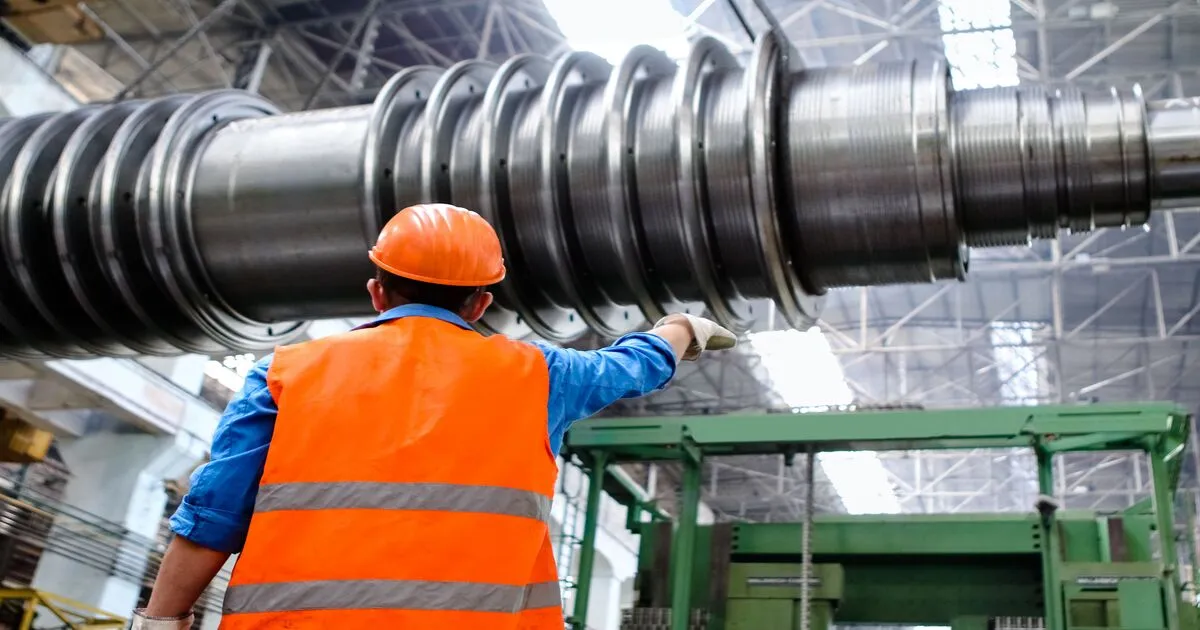
Industrial machinery safety practices refer to the procedures, guidelines, systems, and preventive measures used to ensure safe operation of industrial equipment and manufacturing machinery. These practices help protect workers, machinery, production systems, and industrial facilities from accidents, operational failures, and workplace hazards. Industrial safety practices include machine guarding, operator training, preventive maintenance, emergency shutdown systems, risk assessment, and safety monitoring procedures. Modern industries increasingly integrate automation, AI-driven monitoring, and smart safety technologies to improve industrial workplace safety and operational reliability.
Importance of Machinery Safety in Industrial Operations
Industrial machinery operates at high speed, high pressure, and heavy load conditions, making workplace safety extremely important. Unsafe machinery operations can lead to injuries, equipment damage, production downtime, and operational losses. Strong machinery safety practices help manufacturers maintain operational continuity, workforce protection, and regulatory compliance. Industries such as automotive, aerospace, heavy engineering, electronics, pharmaceuticals, and precision manufacturing rely heavily on safe industrial environments for efficient production operations.
Role of Safety Practices in Manufacturing
Safety practices play a major role in manufacturing by reducing workplace risks, improving operational control, and maintaining stable production environments. Proper machinery safety systems help prevent accidents during machining, assembly, material handling, and automated manufacturing operations. Safety-driven manufacturing environments also improve workforce confidence, productivity, and equipment reliability. As industrial automation continues expanding, machinery safety management is becoming more advanced and technology-driven.
How Industrial Machinery Safety Supports Manufacturing Efficiency
Safe industrial operations improve production stability, machine performance, and operational reliability. Well-maintained machinery and safety-controlled environments reduce unexpected downtime, equipment failures, and production disruptions. Safety management systems also improve workflow organization and workforce efficiency. Efficient safety practices help industries maintain high-quality production standards while reducing operational risks.
Industries Requiring Strong Machinery Safety Systems
Automotive industries use advanced safety systems for robotic welding, CNC machining, assembly automation, and material handling operations. Aerospace manufacturers require strict machinery safety practices for precision engineering, automated inspection systems, and advanced manufacturing operations. Heavy engineering industries depend on safe handling systems, high-capacity machinery controls, and operational safety procedures. Electronics manufacturing, pharmaceuticals, food processing, and renewable energy sectors also require advanced machinery safety management systems.
1. Proper Operator Training
One of the most important industrial machinery safety practices is proper operator training. Workers must understand machine operation procedures, emergency protocols, safety controls, and hazard management systems before operating industrial equipment. Trained operators improve workplace safety and reduce operational errors. Continuous technical training also helps employees adapt to advanced automation and smart manufacturing technologies.
2. Machine Guarding and Protective Systems
Machine guards and protective barriers are essential for preventing direct contact with moving industrial components. Safety guards protect operators from rotating tools, cutting systems, high-temperature surfaces, and automated machinery movements. Modern industrial equipment includes interlocking systems, sensor-based protection, and automated shutdown features. Protective systems significantly reduce workplace accident risks and improve operational safety.
3. Preventive Maintenance and Equipment Inspection
Regular maintenance is critical for maintaining industrial machinery safety and operational reliability. Preventive maintenance helps identify wear, alignment issues, damaged components, and operational failures before major problems occur. Routine inspections improve machine performance and reduce unexpected breakdowns. Predictive maintenance technologies further enhance equipment safety through real-time condition monitoring.
4. Emergency Stop and Shutdown Systems
Industrial machinery should include emergency stop buttons and automated shutdown systems for immediate operational control during emergencies. Emergency systems help prevent accidents, machinery damage, and operational hazards in high-risk manufacturing environments. Quick-response safety controls improve workplace protection and operational reliability. Automated shutdown technologies are increasingly integrated into smart manufacturing systems.
5. Lockout and Tagout Procedures
Lockout and tagout procedures are essential safety practices during maintenance and repair operations. These procedures ensure machinery remains fully powered down and isolated before maintenance work begins. Lockout systems prevent accidental machine activation and improve technician safety. Proper lockout protocols are critical for preventing workplace injuries and operational accidents.
6. Use of Personal Protective Equipment (PPE)
Industrial workers should use appropriate personal protective equipment while operating machinery. Safety helmets, gloves, eye protection, hearing protection, and protective footwear help reduce injury risks in industrial environments. Different industrial operations require specific PPE depending on machinery type and operational hazards. Proper PPE usage improves worker safety and supports regulatory compliance.
7. Workplace Organization and Cleanliness
Clean and organized industrial environments improve machinery safety and operational efficiency. Proper material storage, cable management, floor cleanliness, and workspace organization reduce accident risks and operational hazards. Safe working environments improve machine accessibility and emergency response efficiency. Industrial housekeeping is an important part of workplace safety management systems.
8. Automation and Smart Safety Technologies
Modern industries increasingly use automation and smart safety technologies to improve machinery safety management. AI-driven monitoring systems, IoT-enabled sensors, robotic safety systems, and automated inspection technologies help identify operational risks in real time. Smart safety systems improve predictive maintenance, hazard detection, and machine monitoring capabilities. Industry 4.0 technologies are transforming traditional industrial safety systems into intelligent safety ecosystems.
9. Compliance with Industrial Safety Standards
Industrial machinery operations must comply with workplace safety regulations and international industrial standards. Manufacturers follow safety guidelines related to machine operation, electrical systems, workplace ergonomics, and hazard prevention. Compliance management improves operational transparency and workplace safety performance. Certified industrial safety systems strengthen workforce protection and manufacturing reliability.
10. Future of Industrial Machinery Safety Practices
The future of industrial machinery safety practices will continue evolving through artificial intelligence, robotics, smart automation, predictive analytics, and digital manufacturing technologies. Manufacturers are increasingly investing in intelligent safety monitoring systems, AI-driven risk analysis, autonomous machinery controls, and connected safety platforms. Future industrial safety systems will focus on real-time hazard prevention, operational intelligence, and fully automated safety management. Advanced safety technologies will remain essential for modern manufacturing and industrial growth.
Final Conclusion
Industrial machinery safety practices play a critical role in protecting workers, improving operational reliability, reducing production risks, and maintaining efficient manufacturing environments. Strong safety systems support stable operations across industries such as automotive, aerospace, electronics, heavy engineering, pharmaceuticals, and precision manufacturing. Technologies such as AI-driven monitoring, predictive maintenance, robotic automation, IoT-enabled safety systems, and Industry 4.0 integration are transforming industrial safety management worldwide. With continuous advancements in smart manufacturing and intelligent automation, industrial machinery safety practices will continue shaping the future of safe, efficient, and technology-driven industrial operations.