
Latest Trends in Industrial Equipment Manufacturing
Overview of Industrial Equipment Manufacturing
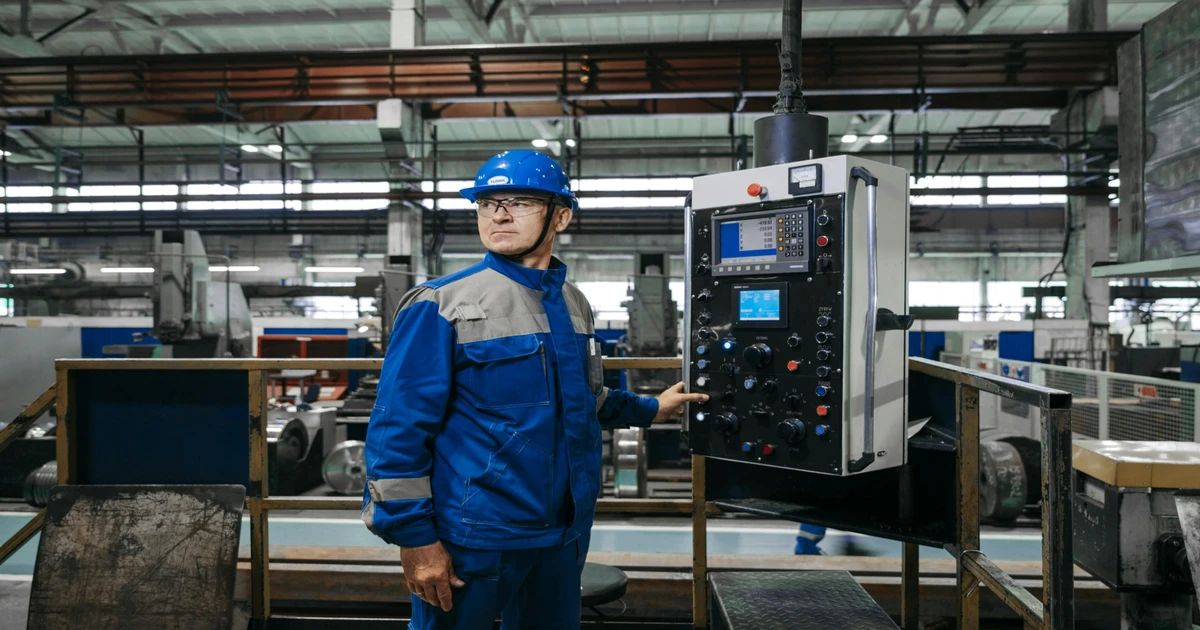
Industrial equipment manufacturing involves the design, engineering, production, and assembly of machinery and mechanical systems used in manufacturing, automation, material processing, and industrial operations. The industry includes CNC machines, robotics, pressure die casting systems, industrial automation equipment, precision engineering machinery, material handling systems, and smart manufacturing technologies. Modern industrial equipment manufacturing is rapidly evolving through automation, artificial intelligence, IoT integration, robotics, and Industry 4.0 technologies. Manufacturers are increasingly focusing on intelligent, energy-efficient, and digitally connected equipment to improve operational performance and production scalability.
Importance of Industrial Equipment Manufacturing
Industrial equipment manufacturing plays a major role in global industrial growth and advanced manufacturing development. High-performance industrial machinery improves production efficiency, operational reliability, quality control, and manufacturing automation across industries. Sectors such as automotive, aerospace, electronics, renewable energy, pharmaceuticals, and heavy engineering depend heavily on advanced industrial equipment. The continuous advancement of industrial machinery technologies is transforming global manufacturing ecosystems and operational strategies.
Role of Technology in Industrial Equipment Manufacturing
Technology is reshaping industrial equipment manufacturing by enabling smart production systems, automated operations, predictive maintenance, and intelligent manufacturing environments. Manufacturers increasingly use digital engineering, AI-driven analytics, robotic systems, cloud-based monitoring, and connected manufacturing platforms. The integration of advanced technologies improves machine efficiency, production visibility, and manufacturing flexibility. Digital transformation is becoming a major competitive factor in industrial equipment manufacturing worldwide.
Latest Trends in Industrial Equipment Manufacturing
Industrial equipment manufacturing is witnessing major innovation driven by smart manufacturing, automation, sustainability, and digital engineering advancements. Manufacturers are focusing on intelligent machinery systems, AI-powered production, energy-efficient equipment, and advanced automation technologies. The adoption of Industry 4.0 and connected manufacturing ecosystems is improving operational efficiency and manufacturing intelligence. These trends are shaping the future of industrial machinery and precision manufacturing industries.
Industries Driving Industrial Equipment Innovation
Automotive industries are driving demand for robotic automation systems, CNC machining technologies, and smart manufacturing equipment. Aerospace manufacturers require advanced precision engineering systems, automated inspection technologies, and intelligent machining solutions. Electronics industries support innovation in semiconductor manufacturing equipment, micro-precision machinery, and automated assembly systems. Renewable energy, pharmaceuticals, logistics, and heavy engineering sectors also contribute significantly to industrial equipment technology advancements.
1. Industry 4.0 and Smart Manufacturing
One of the biggest trends in industrial equipment manufacturing is the adoption of Industry 4.0 technologies. Smart manufacturing systems integrate IoT-enabled machines, cloud computing, AI-driven analytics, and real-time production monitoring into industrial operations. Connected machinery improves operational visibility, predictive maintenance, and manufacturing efficiency. Smart factories are becoming essential for modern industrial production environments.
2. Growth of Automation and Robotics
Automation and robotics are transforming industrial equipment manufacturing worldwide. Manufacturers increasingly use robotic arms, automated assembly systems, robotic welding machines, and intelligent material handling systems. Automation improves production speed, reduces human error, and increases operational consistency. Robotic manufacturing systems also support safer and more efficient industrial operations.
3. Artificial Intelligence and Predictive Maintenance
Artificial intelligence is becoming a major part of industrial machinery and equipment systems. AI-driven technologies help manufacturers optimize machine performance, monitor operational conditions, and predict equipment failures before breakdowns occur. Predictive maintenance systems reduce downtime, improve machinery lifespan, and lower maintenance costs. Data-driven manufacturing environments are improving industrial efficiency and operational decision-making.
4. Energy-Efficient and Sustainable Equipment
Sustainability is becoming one of the most important trends in industrial equipment manufacturing. Manufacturers are developing energy-efficient machinery systems that reduce power consumption and environmental impact. Sustainable manufacturing practices also include recyclable materials, low-emission systems, and optimized resource utilization. Green manufacturing technologies support long-term industrial sustainability and regulatory compliance.
5. Advanced CNC Machining Technologies
CNC machining technologies continue evolving through multi-axis machining systems, automated tooling, and AI-driven machining optimization. Modern CNC equipment offers higher precision, faster production speed, and improved manufacturing flexibility. Advanced CNC systems support aerospace, automotive, electronics, and precision engineering applications requiring tight tolerances and superior surface finishes. Digital integration further improves machining efficiency and operational intelligence.
6. Integration of IoT and Connected Equipment
Industrial IoT is enabling real-time communication between machines, sensors, and manufacturing systems. Connected industrial equipment helps manufacturers monitor machine performance, production data, energy usage, and maintenance requirements remotely.IoT-enabled systems improve manufacturing transparency and operational control. Connected equipment also supports smart factory automation and digital production management.
7. Additive Manufacturing and Hybrid Systems
Additive manufacturing technologies are increasingly being integrated into industrial equipment manufacturing. Manufacturers use 3D printing systems for rapid prototyping, tooling production, customized components, and lightweight engineering solutions. Hybrid manufacturing systems combine additive manufacturing with CNC machining and automation technologies. These advanced systems improve design flexibility and accelerate product development cycles.
8. Digital Twin Technology
Digital twin technology is becoming a major innovation in industrial equipment manufacturing. Digital twins create virtual models of industrial machinery and manufacturing systems for simulation, monitoring, and performance analysis. Manufacturers can analyze operational performance, predict maintenance needs, and optimize production processes using digital twin systems. This technology improves operational efficiency and manufacturing intelligence.
9. Focus on Customization and Flexible Manufacturing
Modern industries increasingly demand customized machinery and flexible production systems. Industrial equipment manufacturers are developing modular machinery systems capable of adapting to changing production requirements. Flexible manufacturing technologies improve operational scalability and production versatility. Customized industrial equipment also supports specialized engineering and precision manufacturing applications.
10. Future of Industrial Equipment Manufacturing
The future of industrial equipment manufacturing will continue evolving through artificial intelligence, robotics, smart automation, digital engineering, and sustainable manufacturing technologies. Manufacturers are expected to invest further in autonomous machinery systems, AI-driven production optimization, advanced robotics, and fully connected smart factory environments. Future industrial equipment will focus on operational intelligence, predictive automation, energy efficiency, and real-time digital integration. Advanced manufacturing technologies will continue driving industrial innovation and global manufacturing transformation.
Final Conclusion
Industrial equipment manufacturing is rapidly transforming through Industry 4.0 integration, automation, robotics, AI-driven systems, IoT connectivity, and sustainable manufacturing technologies. Modern industrial machinery improves production efficiency, operational reliability, manufacturing precision, and intelligent automation across multiple industries. Industries such as automotive, aerospace, electronics, renewable energy, heavy engineering, and precision manufacturing increasingly depend on advanced industrial equipment systems for operational success. With continuous advancements in smart manufacturing, digital engineering, predictive maintenance, and intelligent automation, industrial equipment manufacturing will continue shaping the future of global industrial growth and manufacturing innovation.