
Precision Engineering in Aerospace Industry
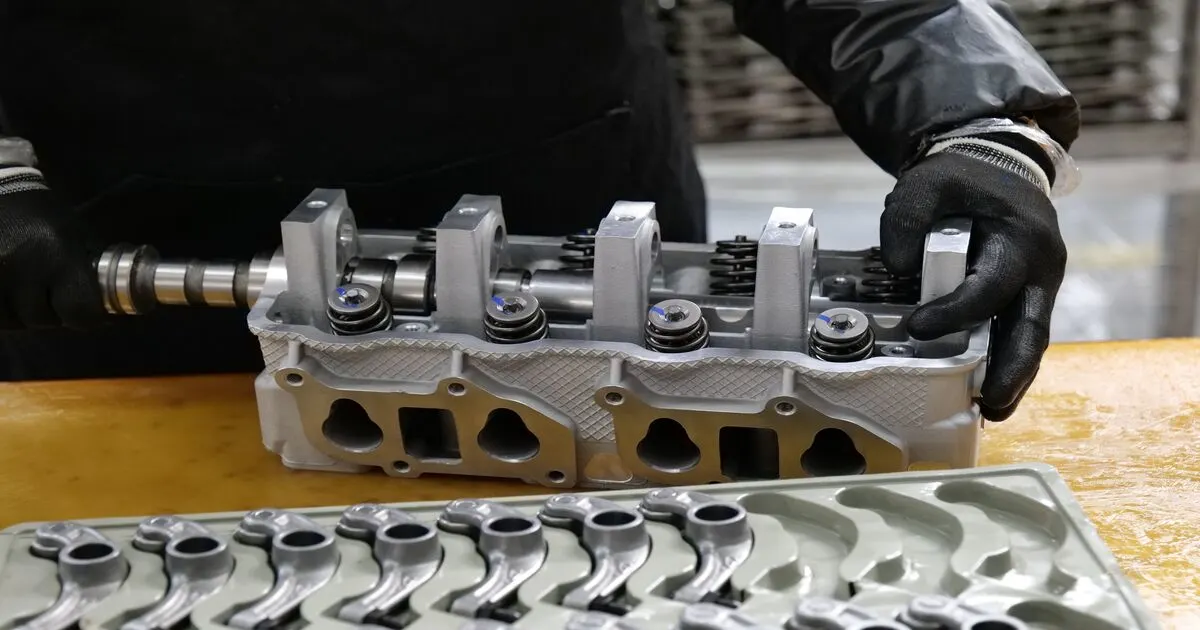
What is Precision Engineering in Aerospace Industry?
Precision engineering in the aerospace industry refers to the design, manufacturing, machining, and assembly of highly accurate aerospace components using advanced engineering technologies and precision manufacturing systems. The aerospace sector requires components with extremely tight tolerances, superior dimensional accuracy, and exceptional reliability because aircraft and aerospace systems operate under critical conditions. Precision engineering combines CNC machining, CAD/CAM systems, robotics, additive manufacturing, automated inspection technologies, and smart manufacturing systems to produce high-performance aerospace parts. Modern aerospace manufacturing heavily depends on precision engineering to maintain aircraft safety, operational efficiency, and structural performance.
Role of Precision Engineering in Aerospace Manufacturing
Precision engineering plays a major role in aerospace manufacturing by ensuring that components meet strict engineering specifications and international aerospace standards. Aircraft engines, structural assemblies, avionics systems, landing gear systems, and aerospace electronics require accurate manufacturing and assembly operations. Precision engineering improves production consistency, product reliability, and operational durability across aerospace systems. As aerospace technologies continue advancing through automation, lightweight engineering, and smart manufacturing, precision engineering has become more important than ever.
Importance of Precision Engineering in Aerospace Industry
The aerospace industry demands extremely high manufacturing precision because even small dimensional variations can affect aircraft performance, fuel efficiency, and passenger safety. Precision engineering helps manufacturers produce lightweight, durable, and high-performance aerospace components with exceptional accuracy. The technology also supports advanced aerospace research, rapid prototyping, automated manufacturing, and intelligent production systems. Strong precision engineering capabilities are essential for maintaining global aerospace competitiveness and operational excellence.
How Precision Engineering Supports Aerospace Production
Precision engineering supports aerospace production by improving machining accuracy, assembly quality, manufacturing efficiency, and quality control. Advanced engineering systems help manufacturers maintain consistent production standards while reducing defects and operational risks. Precision manufacturing technologies also support complex aerospace geometries, lightweight material processing, and high-performance aerospace systems. Integrated digital manufacturing systems improve collaboration between engineering, production, inspection, and quality management teams.
Aerospace Components Manufactured Through Precision Engineering
Aircraft engine systems such as turbine blades, compressor systems, housings, and combustion chambers require ultra-precision manufacturing. Aircraft structures including fuselage sections, wing assemblies, brackets, and landing gear systems depend heavily on precision engineering technologies. Avionics systems, aerospace sensors, communication systems, and electronic assemblies also require highly accurate manufacturing processes. Spacecraft systems, satellite components, and defense aerospace technologies increasingly rely on precision-engineered manufacturing solutions.
1. High Precision and Tight Tolerances
One of the biggest advantages of precision engineering in aerospace manufacturing is the ability to achieve extremely tight tolerances. Aerospace components must fit perfectly and operate reliably under extreme environmental conditions. Advanced CNC machining systems and automated manufacturing technologies help achieve exceptional dimensional accuracy. Precision manufacturing improves assembly alignment, aerodynamic performance, and operational stability.
2. Improved Aircraft Safety and Reliability
Aircraft safety depends heavily on the accuracy and reliability of aerospace components. Precision engineering reduces the risk of mechanical failures, structural weaknesses, and operational inconsistencies in aerospace systems. Highly accurate manufacturing improves long-term durability and system performance. Reliable aerospace components are essential for passenger safety and mission-critical aerospace operations.
3. Support for Lightweight Aerospace Engineering
Modern aerospace manufacturing focuses heavily on lightweight engineering to improve fuel efficiency and reduce operational costs. Precision engineering supports the manufacturing of lightweight aluminum alloys, titanium components, and composite aerospace structures. Accurate machining and assembly help maintain structural integrity while reducing component weight. Lightweight aerospace systems improve aircraft performance and environmental sustainability.
4. Advanced CNC Machining Integration
CNC machining is one of the most important precision engineering technologies used in aerospace manufacturing. Advanced multi-axis CNC systems produce complex aerospace components with high dimensional accuracy and repeatable quality. Precision machining supports turbine systems, structural assemblies, aerospace brackets, and avionics housings. Automated CNC manufacturing improves production efficiency and operational consistency.
5. Better Quality Control and Inspection
Precision engineering requires strong quality control systems and advanced inspection technologies. Manufacturers use Coordinate Measuring Machines (CMM), laser scanning systems, automated inspection technologies, and non-destructive testing methods to maintain aerospace manufacturing standards. Accurate quality verification improves product reliability and reduces operational risks. Quality-driven manufacturing is essential in aerospace because of strict safety regulations and performance requirements.
6. Capability to Manufacture Complex Aerospace Components
Modern aerospace systems involve highly complex designs and sophisticated engineering structures. Precision engineering enables manufacturers to produce intricate aerospace components with exceptional accuracy and consistency. Complex turbine blades, lightweight structural assemblies, and aerospace electronic systems require advanced precision manufacturing capabilities. This capability supports aerospace innovation and next-generation aviation technologies.
7. Integration with Automation and Industry 4.0
Precision engineering in aerospace manufacturing increasingly integrates with automation, robotics, AI-driven systems, and Industry 4.0 technologies. Smart manufacturing environments improve operational visibility, predictive maintenance, production optimization, and automated quality control. Connected manufacturing systems help aerospace companies improve efficiency and manufacturing intelligence. Digital transformation is becoming a major foundation of future aerospace engineering operations.
8. Reduced Material Waste and Improved Efficiency
Precision manufacturing technologies improve material utilization and reduce production waste. Accurate machining operations help minimize unnecessary material removal and reduce machining defects. Efficient resource utilization lowers manufacturing costs and supports sustainable aerospace production practices. Operational efficiency is especially important in aerospace manufacturing because of high-value materials and advanced engineering requirements.
9. Faster Product Development and Aerospace Innovation
Precision engineering supports rapid prototyping and faster aerospace product development cycles.CAD/CAM systems, digital simulation tools, and advanced machining technologies allow engineers to test and optimize aerospace components more efficiently. Faster innovation cycles help aerospace companies improve competitiveness and technological advancement. Advanced precision manufacturing supports continuous aerospace research and engineering development.
10. Future of Precision Engineering in Aerospace Industry
The future of precision engineering in aerospace manufacturing will continue evolving through artificial intelligence, robotics, additive manufacturing, digital twins, and smart manufacturing technologies. Manufacturers are increasingly investing in ultra-precision CNC machining, AI-driven inspection systems, automated aerospace production, and advanced digital engineering solutions. Future aerospace systems will require even higher levels of manufacturing accuracy, operational intelligence, and automation integration. Precision engineering will remain one of the most important foundations of aerospace innovation and industrial growth.
Final Conclusion
Precision engineering plays a critical role in the aerospace industry by improving manufacturing accuracy, aircraft safety, operational reliability, lightweight engineering, and production efficiency. Advanced technologies such as CNC machining, CAD/CAM systems, robotic automation, additive manufacturing, automated inspection systems, and Industry 4.0 integration are transforming aerospace manufacturing worldwide. Industries such as commercial aviation, defense aerospace, satellite manufacturing, spacecraft engineering, and advanced aerospace research rely heavily on precision-engineered manufacturing systems for operational excellence. With continuous advancements in automation, smart manufacturing, digital engineering, and aerospace technologies, precision engineering will continue shaping the future of aerospace manufacturing and global industrial innovation.