
Role of Mold Toolings in Precision Manufacturing
What is Mold Tooling?
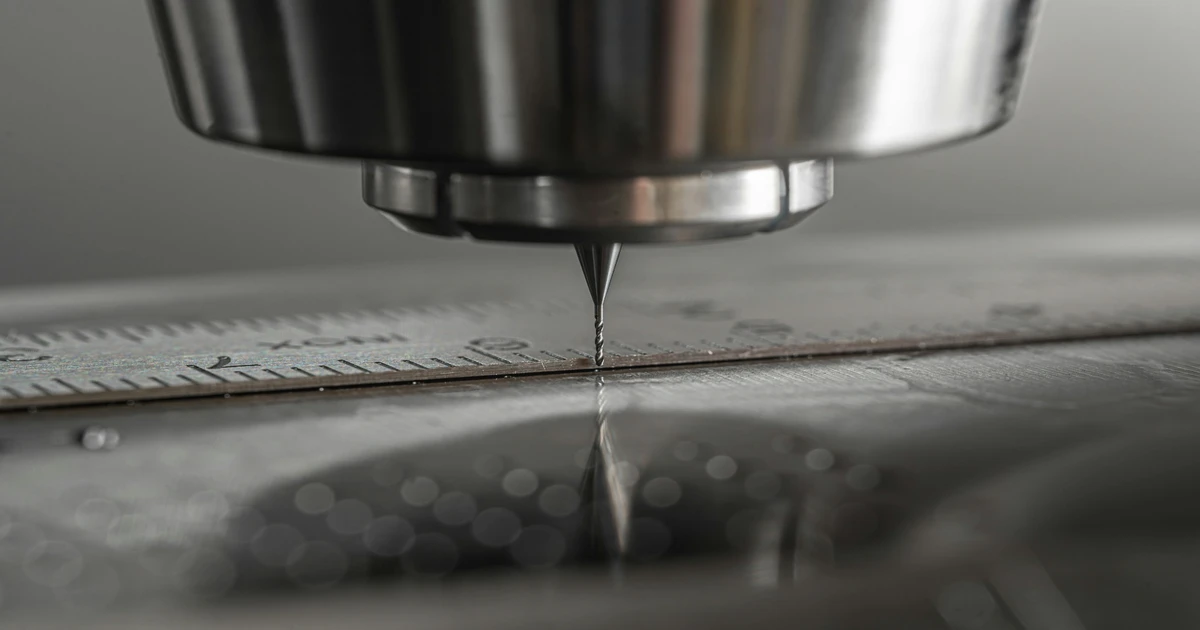
Mold tooling refers to specially designed molds and tooling systems used to shape and manufacture components with high accuracy and repeatable quality during industrial production processes. These tooling systems are widely used in manufacturing methods such as injection molding, die casting, blow molding, compression molding, and precision forming operations. Mold tooling helps manufacturers produce complex components with consistent dimensions, smooth surface finishes, and efficient production speed. Industries such as automotive, aerospace, medical equipment, electronics, consumer goods, and industrial engineering heavily rely on mold tooling systems for precision manufacturing operations.
What is Precision Manufacturing?
Precision manufacturing is a production approach focused on creating highly accurate and dimensionally consistent components that meet strict engineering tolerances and quality standards. Modern industries require precision manufacturing because engineering components must perform reliably under demanding operational conditions. Precision manufacturing involves advanced machinery, tooling systems, automated production technologies, and strict quality control procedures. Mold tooling plays a major role in precision manufacturing because it directly affects dimensional accuracy, surface quality, production consistency, and component reliability.
Importance of Mold Tooling in Manufacturing
Mold tooling is extremely important in manufacturing because it determines the shape, quality, dimensional accuracy, and repeatability of the final product. Well-designed mold tooling systems help manufacturers improve production efficiency, reduce manufacturing defects, minimize material wastage, and maintain stable production quality. Mold tooling also supports high-volume manufacturing operations while ensuring consistent engineering standards across production cycles. Industries focused on precision engineering and mass production depend heavily on advanced mold tooling technologies for efficient manufacturing performance.
Role of Mold Toolings in Precision Manufacturing
Mold tooling supports precision manufacturing by enabling accurate shaping, controlled production processes, and repeatable component quality. The tooling system defines the exact dimensions, geometry, and surface characteristics of the final component. Precision mold tooling also helps manufacturers achieve tight tolerances, reduced dimensional variation, and improved structural consistency. Modern mold tooling systems are designed using advanced engineering software, CNC machining technologies, and automated production systems to maintain high manufacturing standards.
Industries That Use Mold Toolings
Automotive manufacturers use mold tooling for dashboards, engine components, lighting systems, interior parts, and structural assemblies. Aerospace industries depend on mold tooling for lightweight engineering components, composite structures, and precision aerospace assemblies. Medical industries use mold tooling for surgical devices, medical housings, implants, and precision plastic components. Electronics manufacturers use mold tooling for connectors, enclosures, switches, and miniature engineering assemblies. Consumer goods, packaging, industrial machinery, and appliance manufacturing industries also rely heavily on mold tooling technologies. The process supports industries requiring accurate, repeatable, and high-quality production systems.
1. Ensures Dimensional Accuracy
One of the biggest roles of mold tooling in precision manufacturing is maintaining dimensional accuracy. Precision-engineered molds help manufacturers produce components that match exact design specifications and engineering tolerances. Accurate tooling reduces dimensional variation and improves assembly compatibility during production operations. This advantage is especially important in aerospace, automotive, medical, and electronics industries where precise dimensions are critical.
2. Supports Consistent Production Quality
Mold tooling allows manufacturers to produce large quantities of identical components with consistent quality. The reusable mold system ensures that every production cycle follows the same dimensions, geometry, and surface finish standards. Consistent production quality improves operational reliability and reduces manufacturing defects. This advantage is highly valuable in medium and high-volume industrial manufacturing operations.
3. Improves Production Efficiency
Mold tooling systems support fast and efficient manufacturing operations. Once the mold is developed and installed, production processes can operate continuously with reduced manual intervention. Efficient mold tooling helps manufacturers increase production speed, reduce cycle times, and improve operational productivity. Automation-supported mold tooling systems further improve manufacturing efficiency and production consistency.
4. Reduces Manufacturing Errors
Precision mold tooling helps reduce manufacturing defects such as dimensional inaccuracies, surface imperfections, material inconsistencies, and assembly mismatches. Advanced tooling systems maintain accurate shaping and controlled production conditions throughout the manufacturing process. Reduced manufacturing errors improve product reliability and help manufacturers lower rejection rates and operational costs. Effective tooling systems also support better quality control and process stability.
5. Enhances Surface Finish Quality
Mold tooling directly affects the surface quality and appearance of manufactured components. High-quality mold surfaces help produce smooth finishes, accurate textures, and visually appealing products. Improved surface quality reduces the need for excessive finishing operations after production. This advantage is especially important in automotive, electronics, medical equipment, and consumer product manufacturing.
6. Supports Complex Component Manufacturing
Modern engineering applications often require highly detailed and complex component geometries. Advanced mold tooling systems support the production of intricate shapes, internal features, and precision engineering designs. Complex mold tooling enables manufacturers to produce lightweight and high-performance components efficiently. This capability is highly important in aerospace, medical, electronics, and automotive manufacturing industries.
7. Improves Cost Efficiency in Mass Production
Although mold tooling requires initial investment, it significantly reduces long-term production costs during medium and high-volume manufacturing operations. Reusable molds improve production speed, reduce labor requirements, and minimize material wastage. Efficient mold tooling also reduces secondary machining and finishing operations, improving overall manufacturing efficiency. The cost effectiveness of mold tooling becomes highly valuable in large-scale industrial production environments.
8. Future of Mold Toolings in Precision Manufacturing
As manufacturing technologies continue evolving, mold tooling systems are becoming more advanced through automation, artificial intelligence, digital engineering, and smart manufacturing integration. Manufacturers are increasingly investing in CNC-machined molds, automated tooling systems, real-time monitoring technologies, and advanced simulation software. The future of mold tooling will focus on improving precision, production speed, sustainability, and intelligent manufacturing capabilities. Advanced tooling technologies will continue supporting industrial automation and modern engineering innovation.
Final Conclusion
Mold tooling plays a critical role in precision manufacturing by supporting accurate shaping, consistent production quality, improved efficiency, reduced manufacturing defects, and complex component manufacturing. The process helps industries maintain tight tolerances, smooth surface finishes, and reliable engineering standards across large-scale production operations. Industries such as automotive, aerospace, medical equipment, electronics, consumer goods, industrial machinery, and engineering manufacturing continue relying heavily on mold tooling technologies for precision manufacturing applications. With continuous advancements in automation, digital engineering, and smart manufacturing systems, mold tooling will continue shaping the future of industrial manufacturing and precision engineering.